Imagine setting out on an incredible long-distance journey. The trail stretches endlessly before you. Your pack feels light on your shoulders. You move freely, enjoying every step. This dream is achievable for your thru-hike, especially when you are not carrying camping gear.
The video above gives a fantastic visual list of essentials. It highlights what to pack. This guide expands on those key items. We focus on a thru-hike without camping. This approach means lighter loads and more comfort.
Essential Gear for Your Thru-Hike Without Camping
Packing for a thru-hike is a careful balance. You need essentials, yet you must avoid overpacking. For those staying in accommodations, the focus shifts. Lightweight thru-hiking gear becomes paramount. Each item must earn its place in your pack.
The Power of Smart Layering: Clothing for Any Trail
Your clothing acts like the layers of an onion. You can add or remove pieces. This adaptability is crucial for changing weather. The video correctly lists several key items. Let’s explore why each is vital for your thru-hike packing.
- Toque, Hat, Sunglasses, Gloves: These protect your extremities. A toque keeps your head warm in cold air. A hat shields you from sun and rain. Sunglasses protect your eyes from harsh UV rays. Gloves are vital for chilly mornings or high altitudes.
- Rain Gear: Think of rain gear as your personal portable shelter. It includes a waterproof jacket and pants. These keep you dry in unexpected downpours. Staying dry prevents chilling.
- Down Jacket & Fleece: These are your warmth layers. A down jacket is like a lightweight cloud. It offers excellent warmth-to-weight. A fleece jacket provides consistent warmth. It works well even if slightly damp.
- Long Sleeve, Tank, Bra: These are your base and mid-layers. A long-sleeve shirt protects from sun and provides warmth. A tank top is perfect for hot days. A comfortable sports bra is a non-negotiable for female hikers.
- Shorts & Tights: Your choice depends on the weather. Shorts are great for warm conditions. Tights offer warmth and sun protection. Some hikers wear convertible pants for versatility.
Choose synthetic materials or merino wool. These fabrics wick moisture. They dry quickly. Avoid cotton; it absorbs sweat and stays wet. Wet clothes can lead to chafing and hypothermia.
The Lifeblood of the Trail: Staying Hydrated and Fueled
Your body is like a high-performance engine. It needs constant fuel and hydration. For long-distance hiking, this is especially true. Neglecting either can quickly lead to fatigue.
- Snacks: These are your energy boosters. Pack calorie-dense foods. Think nuts, dried fruit, energy bars, and jerky. Small, frequent snacks maintain energy levels. They prevent the dreaded “bonk.”
- Hydration: Water is absolutely essential. Carry enough water bottles or a hydration reservoir. Even if you’re not camping, trails may lack water sources. Consider a lightweight water filter or purification tablets. This ensures safe drinking water.
Plan your water stops carefully. Know where you can refill. Always start with a full supply. Dehydration impacts performance and safety.
Your Mobile Headquarters: Electronics and Personal Items
Even without camping, you still need connectivity and comforts. These items make your trek smoother. They also ensure you can capture memories.
- Camera Gear + Electronics: This includes your phone, power bank, and charging cables. A power bank is like a portable gas station for your devices. You will want to charge devices daily. Don’t forget your camera for stunning views.
- Toiletries: Pack only the essentials. Think travel-size toothpaste, a small toothbrush, and biodegradable soap. A small quick-dry towel is also helpful. Sunscreen and insect repellent are crucial.
Keep electronics protected from moisture. Use waterproof bags or cases. This preserves their function. It prevents damage from rain or sweat.
Safety First: The Indispensable Medical Kit
A personal medical kit is your safety net. It addresses minor injuries or ailments. Even a small blister can ruin a hike. Being prepared is key for any trail adventure.
- Medical Kit: Include blister treatment, pain relievers, and antiseptic wipes. Bandages, medical tape, and any personal medications are vital. Consider a small pair of tweezers. These help with splinters or ticks.
Know how to use everything in your kit. Check expiration dates regularly. Replenish supplies after use. Your safety is always a top priority.
The Foundation of Your Journey: Footwear and Pack
Your feet are your most important tools. Your pack carries everything else. Choosing the right ones is critical for comfort and endurance. The video highlights these crucial elements.
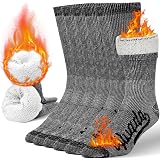
- Socks: Invest in high-quality hiking socks. Merino wool or synthetic options are best. They wick moisture and prevent blisters. Carry at least two pairs to rotate.
- Sandals: These are your camp shoes or town shoes. They give your feet a break from hiking boots. They are perfect for stream crossings. They let your feet breathe and recover.
- Hiking Boots: Your boots are your connection to the trail. Choose a pair that fits perfectly. Break them in well before your hike. Consider waterproof options for wet conditions. Good ankle support is a major plus.
- 25-35L Daypack: This is your primary carrying system. This size is ideal for a thru-hike without camping. It’s big enough for daily essentials. It prevents overpacking. Look for comfortable straps and a good hip belt.
Proper footwear prevents injury. A well-fitted pack reduces fatigue. These items are investments in your hiking success. They make long days much more enjoyable.
Remember, this approach focuses on a lighter load. You are supported by accommodations each night. This allows you to truly enjoy the scenic beauty of your thru-hike without camping.
Your Thru-Hike Packing FAQs: Weighing Your Options
What is a ‘thru-hike without camping’?
A thru-hike without camping is a long-distance hiking journey where you stay in accommodations each night instead of carrying heavy camping gear. This approach allows you to travel with a much lighter backpack.
What kind of clothing should I pack for a thru-hike without camping?
Focus on smart layering with synthetic materials or merino wool, including rain gear, warmth layers like a down jacket or fleece, and items to protect your extremities. Avoid cotton as it absorbs sweat and stays wet.
How do I stay hydrated and fueled during a thru-hike?
Carry plenty of calorie-dense snacks like nuts and energy bars to maintain energy levels. Always have enough water bottles or a hydration reservoir, and consider a lightweight water filter for refilling safely.
What type of backpack should I use for a thru-hike without camping?
A 25-35L daypack is recommended for a thru-hike without camping. This size is ideal because it’s big enough for daily essentials but helps prevent overpacking.