Optimizing Your Urban Trek: Essential Gear for Summertime Day Walks
Embarking on a long day walk through the urban landscape presents its own unique set of challenges. Unlike traditional trail hiking, city pavements demand different considerations for comfort, support, and utility. The constant impact on hard surfaces can quickly lead to discomfort, while fluctuating urban microclimates require smart layering strategies. Fortunately, equipping yourself with the right urban hiking gear can transform these city explorations from a tiring chore into an enjoyable adventure.
In the video above, Ryan shares his personal setup for summertime day walks, offering a practical look at the essentials he relies on. Building upon his valuable insights, let’s delve deeper into selecting optimal gear that enhances your city expeditions, ensuring every step is supported and every essential is at hand.
1. Footwear Foundations: Conquering Concrete and Beyond
The foundation of any successful urban hike is undoubtedly your footwear. Ryan’s journey from rugged trail shoes to cushioned road runners highlights a crucial distinction: urban terrain, predominantly concrete and asphalt, requires a different kind of support than soft trails.
The Right Shoe for the Urban Grind
Many novice urban explorers make the mistake of wearing either overly specialized trail shoes, which can feel ‘clunky’ and provide inadequate cushioning on hard surfaces, or casual sneakers that lack the necessary support for extended walking. Just as a race car needs slick tires for the track, your feet need specialized cushioning and support for the relentless impact of city sidewalks.
Ryan’s experience with the Asics Excite 8 AWL, featuring ‘Amplifoam,’ underscores the importance of midsole cushioning. This technology acts like a shock absorber, dissipating impact forces and protecting your joints over miles of walking. When selecting your urban hiking shoes, prioritize models with ample, responsive cushioning and a durable outsole designed for pavement grip, rather than deep lugs for mud or loose gravel.
While full waterproofing is less critical in urban settings compared to wilderness trails, water resistance can still be beneficial for unexpected summer showers. However, as Ryan notes, even ‘water-resistant’ claims have their limits, particularly around the toe box. For prolonged wet conditions, a dedicated waterproof shoe or a compact poncho (which we’ll discuss later) might be a more pragmatic solution.
Socks: The Unsung Heroes of Foot Comfort
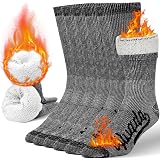
Beneath your shoes, socks play an equally vital role in preventing blisters and maintaining comfort. Cotton socks, a common starting point, are notorious for trapping moisture, leading to friction and hot spots—a recipe for discomfort, akin to a sandpaper rub with every step. Ryan’s switch to specialized hiking socks, even if initially prone to wear and tear, is a testament to their superior performance.
Technical hiking socks, typically made from merino wool or synthetic blends, excel at moisture-wicking. They draw sweat away from your skin, allowing it to evaporate and keeping your feet drier and cooler. Consider socks with targeted cushioning in high-impact areas like the heel and ball of the foot, which can further mitigate the effects of concrete pounding. Options from brands like Columbia or thicker ‘work’ socks, as Ryan discovered, can offer enhanced durability and padding for demanding urban excursions.
2. Apparel for Agile City Movement
Layering your clothing strategically is key to adapting to the dynamic temperatures and conditions of an urban hike. From sun-drenched avenues to shaded city canyons, your attire should offer breathability, protection, and practicality.
Pants: Freedom and Functionality
For your lower body, activewear pants made from polyester and spandex blends, like Ryan’s Old Navy choice, are an excellent option. These materials offer superior breathability, allowing air circulation to keep you cool when the mercury rises. The stretch provided by spandex ensures unrestricted movement, whether you’re climbing stairs, navigating crowded streets, or taking a spontaneous detour.
Critically, look for zippered pockets. These secure compartments act as a safe deposit box for your valuables – keys, wallet, phone – preventing them from spilling out during active movement or becoming easy targets for opportunistic pickpockets. This small feature can make a significant difference in your peace of mind while exploring busy urban areas.
Upper Body: The Art of Layering for Urban Climates
Just as a chameleon changes its colors, your upper layers should adapt to the urban environment. Ryan’s transition from cotton to polyester shirts for moisture-wicking performance is a classic example of informed gear choice. Cotton absorbs moisture and stays wet, leading to a clammy, heavy feeling and potential chafing, much like a wet sponge clinging to your skin.
Polyester shirts, especially those with ‘Dri-Dry Hydro Performance’ like Texfit, are engineered to move sweat away from your body, promoting rapid evaporation. This keeps you feeling drier and more comfortable, even on a sweltering summer day. Over this base layer, a lightweight, zippered hoodie offers adaptable warmth for cooler mornings or evenings, or when stepping into air-conditioned spaces. The full zipper allows for quick ventilation control, making it a versatile mid-layer.
Finally, a windbreaker is a non-negotiable outer shell for urban hiking. Ryan’s Mountain Warehouse windbreaker, with its strategic vents, perfectly illustrates the balance between protection and breathability. It shields you from unexpected gusts and light rain, acting as a lightweight armor against the elements. The vents, often overlooked, are crucial for preventing you from overheating, allowing excess body heat to escape during exertion.
To top it off, a baseball cap with a Velcro adjustable back provides essential sun protection for your face and eyes. This simple accessory prevents sun glare and reduces the risk of sunburn, keeping you focused on your urban exploration.
3. The Mobile Command Center: Your Urban Hiking Backpack
A well-chosen backpack serves as your mobile command center, housing all your essentials without weighing you down. Ryan’s 15-liter Mountain Warehouse backpack hits a sweet spot for day walks – slim, sufficient capacity, and comfortable.
Choosing Your Pack and Packing Smart
For most urban hikes, a 15-25 liter backpack is ideal. Look for features like comfortable shoulder straps, a padded back panel for airflow, and external pockets for quick access to water bottles. A slim profile prevents snagging in crowded areas and maintains a streamlined appearance.
Inside, organization is paramount. Ryan’s use of a packing cube is a masterstroke in efficiency. Instead of a chaotic jumble, a packing cube compartmentalizes your gear, making it easy to access specific items without rummaging. It’s like having a mobile drawer system for your essentials.
4. Essential Cargo: Be Prepared for Anything
What goes inside your packing cube and backpack can make or break your urban adventure. Ryan’s comprehensive list of additional essentials covers many bases, ensuring readiness for minor mishaps or changing conditions.
Navigating Urban Unexpectedness
- **First Aid Kit:** The Adventure Medical Kits Day Tripper Lite, as mentioned, is designed for day excursions. In an urban context, this means having quick access to blister treatments, antiseptic wipes for minor cuts or scrapes (common from pavement falls), pain relievers, and any personal medications. It’s a proactive measure against unexpected ailments, preventing small issues from derailing your hike.
- **Weather Protection:** A compact poncho, even if a windbreaker is present, offers an additional layer of defense against heavy downpours. It’s a low-cost, high-impact item, like having a personal portable umbrella that covers your whole body and pack.
- **Personal Care & Comfort:**
- **Small Towel:** Useful for wiping sweat, drying hands, or even cleaning off a dirty bench.
- **Insect Repellent:** Even in cities, parks and green spaces can harbor mosquitoes, particularly during summer evenings.
- **Eye Drops:** Essential for combating urban irritants like dust, pollen, or general dryness that can arise from city air.
- **Deodorant:** A practical inclusion for maintaining personal freshness, especially after a strenuous walk on a warm day.
- **Navigation & Utility:**
- **Pen:** Always useful for jotting notes, signing forms, or filling out a crossword during a rest stop.
- **Compass:** While less critical with smartphone GPS, a basic compass can be a useful backup for orientation, particularly in complex urban grids or when exploring unfamiliar districts.
- **Multi-tool/Pocket Knife:** A versatile tool for minor adjustments, opening packages, or even an impromptu picnic. Its utility in an urban setting is surprisingly broad, from tightening a loose screw on your glasses to opening a stubborn snack package.
- **Sustenance:** A protein bar or similar non-perishable snack is a smart addition. It provides a quick energy boost, preventing hunger-related fatigue and maintaining your stamina for longer walks. Think of it as your portable fuel tank.
5. Tracking Your Progress: The Data-Driven Urban Hiker
Finally, a fitness tracker like the Fitbit Inspire 2, as Ryan utilizes, adds a quantitative dimension to your urban hiking experience. Beyond simply counting steps, these devices can monitor heart rate, distance, and even sleep patterns, offering valuable insights into your activity levels and overall health.
Tracking your progress can be a powerful motivator, encouraging you to push further, explore new routes, and celebrate your achievements. It transforms your casual strolls into measurable fitness goals, adding another layer of engagement to your urban adventures.
Geared Up for the City Stroll: Your Urban Hiking Essentials Q&A
What is urban hiking?
Urban hiking involves long day walks through city landscapes, which presents different challenges than traditional trail hiking. It requires specific gear to ensure comfort, support, and utility on hard surfaces like concrete.
What kind of shoes are best for urban hiking?
For urban hiking, you should prioritize shoes with ample, responsive cushioning in the midsole, similar to cushioned road runners. This helps absorb the constant impact on hard surfaces like concrete and asphalt, protecting your joints.
Why are special socks important for urban hiking?
Specialized hiking socks, made from merino wool or synthetic blends, are crucial because they wick moisture away from your feet. This prevents sweat from building up, which can lead to friction, blisters, and discomfort common with cotton socks.
What type of clothing should I wear for urban hiking in summer?
For summer urban hiking, wear clothing made from moisture-wicking materials like polyester and spandex blends. These fabrics help move sweat away from your body, keeping you drier and more comfortable, and layering with a windbreaker can protect against unexpected elements.