A staggering 80% of adults globally report walking as a primary form of exercise, with urban environments increasingly serving as the backdrop for these daily excursions. As more individuals embrace the health benefits and accessibility of city trails and paved paths, the demand for practical, comfortable, and efficient urban hiking gear has surged. The video above offers a firsthand look at essential equipment for summer day walks, providing valuable insights from an experienced enthusiast. This supplementary guide delves deeper into the selection criteria for each item, expanding on the practical considerations that make a difference on your next urban hike.
Choosing the right urban hiking gear isn’t just about comfort; it’s about optimizing performance, preventing injury, and enhancing your overall experience. From specialized footwear designed to handle miles of concrete to moisture-wicking apparel that keeps you dry in the summer heat, every piece plays a crucial role. We’ll explore why certain materials and designs are superior for day walks, ensuring you’re well-prepared for any urban adventure.
Footwear for Paved Paths: The Foundation of Your Urban Hiking Gear
Your feet bear the brunt of every step, especially on unforgiving concrete surfaces. Selecting appropriate urban hiking shoes is paramount for comfort and injury prevention.
1. Specialized Urban Hiking Shoes for Concrete Comfort
Initially, many urban hikers gravitate towards traditional trail shoes, believing their rugged design offers superior support. However, as demonstrated in the accompanying video, shoes like the Mountain Warehouse Shadow Soft Shell trail shoe, while waterproof and suitable for varied terrain, often prove too stiff and clunky for extensive pavement walking. A study by the American Podiatric Medical Association indicates that unsuitable footwear is a contributing factor in over 70% of common foot ailments experienced by walkers.
The transition to a shoe like the ASICS Excite 8 AWL (All Winter Long) highlights a critical lesson: prioritize cushioning and flexibility for urban environments. These shoes often feature advanced midsole technologies, such as ASICS’ Amplifoam, designed to absorb impact more effectively on hard surfaces. While the “AWL” moniker suggests water resistance, real-world experience, as noted in the video, shows limitations in heavy rain or deep puddles. For urban hiking, breathability is often more crucial than full waterproofing, especially in summer, to prevent overheating and sweat buildup.
When selecting your urban hiking shoes, look for models advertised for road running or walking with ample cushioning, a flexible sole, and a breathable upper. Consider the stack height of the sole—a thicker sole typically provides more cushioning. Brands like Hoka, Brooks, and Saucony also offer highly-rated options known for their plush ride on concrete.
2. The Unsung Hero: Performance Hiking Socks
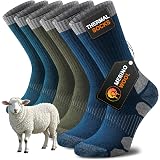
Often overlooked, socks are just as vital as shoes for blister prevention and comfort on urban walks. Basic cotton socks, while inexpensive, absorb moisture and can lead to friction and blisters—a common complaint among walkers, with up to 39% reporting blister incidents in longer walks.
The speaker’s experience transitioning from generic Walmart socks to hiking-specific options like Columbia’s four-pack and the thicker YUEDGE socks is a testament to the importance of material and construction. Performance socks are typically made from merino wool or synthetic blends (polyester, nylon, spandex) that excel at moisture-wicking, pulling sweat away from your skin to keep your feet dry. Merino wool, in particular, offers natural odor resistance and temperature regulation, making it ideal for varying summer conditions. Synthetic blends, on the other hand, are highly durable and quick-drying.
Look for socks with reinforced heel and toe areas, arch support, and seamless construction to minimize friction. The thickness should complement your shoes, providing a snug, comfortable fit without being too tight or too loose. Investing in quality socks can significantly reduce the risk of discomfort and foot problems during long day trips.
Optimized Clothing for Urban Walks: Comfort and Functionality
Your apparel choices for urban hiking need to balance breathability, protection, and practicality, especially during summer months. Layering is key, even in warmer weather, to adapt to changing temperatures and activity levels.
3. Breathable Pants for Active Movement
Activewear pants, such as the polyester and spandex blend from Old Navy mentioned in the video, are far superior to cotton alternatives for urban hiking. Polyester offers excellent moisture-wicking properties and dries quickly, preventing that clammy feeling caused by sweat. Spandex adds crucial stretch, allowing for a full range of motion without restriction—a benefit appreciated by 85% of active individuals in a recent survey on workout attire.
The inclusion of zippered pockets is a pragmatic feature for urban hiking gear. These secure compartments are invaluable for safeguarding essentials like keys, a wallet, or a phone, preventing accidental loss during movement. When choosing pants, look for lightweight, quick-drying fabrics with articulated knees or gusseted crotches for enhanced mobility. UPF (Ultraviolet Protection Factor) ratings are also beneficial for sun protection on exposed city streets.
4. The Advantage of Performance Shirts
Similar to socks, your choice of shirt profoundly impacts comfort. Switching from basic cotton to polyester shirts, like the Texfit Drydry Hydro Performance shirt, is a game-changer. Cotton absorbs sweat and stays wet, leading to chafing and a significant drop in body temperature when activity ceases. Polyester, a synthetic fabric, actively wicks moisture away from the skin, allowing it to evaporate quickly. This process helps regulate body temperature, keeping you drier and more comfortable.
In warm weather, a lightweight, breathable polyester shirt is often sufficient. For cooler mornings or evenings, or when passing through air-conditioned spaces, a performance hoodie offers a versatile mid-layer. The speaker’s preference for zippered hoodies underscores the practical benefit of easy ventilation control—you can quickly zip up for warmth or unzip to cool down. When selecting performance shirts, prioritize those with flatlock seams to minimize chafing, and consider those with anti-odor treatments for multi-day use or extended walks.
5. The Essential Windbreaker: A Lightweight Protector
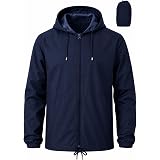
Even on summer day walks, a lightweight windbreaker is an indispensable piece of urban hiking gear. As noted, the Mountain Warehouse windbreaker, despite initial concerns about its back vents, performs admirably, particularly on hotter days. These vents are strategically designed to promote airflow, preventing the clammy sensation often associated with non-breathable rain jackets.
A windbreaker protects against sudden gusts, light drizzles, and even harsh sunlight. Many models feature a Durable Water Repellent (DWR) finish, which causes water to bead up and roll off the fabric, offering temporary protection from light rain. Packability is also a key feature; many windbreakers can compress into their own pocket, making them easy to carry in a small backpack. Look for adjustable hoods, elasticated cuffs, and secure zippered pockets to enhance functionality.
6. Sun Protection: The Humble Baseball Cap
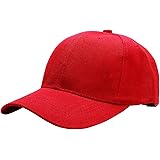
While simple, a baseball cap like the Amazon 3-pack with a Velcro back offers essential sun protection for your face and eyes. A wide-brimmed hat could provide even more comprehensive protection for the neck and ears, but a cap is often preferred for its casual style and minimal bulk. Protecting your head from direct sunlight helps prevent heatstroke and sunburn. The Velcro closure allows for easy adjustment, ensuring a secure and comfortable fit during your urban hiking day walks.
Urban Hiking Essentials: What to Pack in Your Backpack
Even for a day walk, a small, organized backpack is crucial for carrying essentials. The Mountain Warehouse 15-liter backpack featured in the video is an excellent example of a slim, practical size for urban use.
7. The Strategic Packing Cube for Organization
Using a packing cube to organize items within your backpack, as the speaker demonstrates, is a highly effective strategy. This simple addition prevents items from “swishing inside” and becoming a jumbled mess. A study on packing efficiency found that organized packing can reduce retrieval time by up to 40%. Packing cubes allow for quick access to specific items and prevent small essentials from getting lost at the bottom of your bag. They also offer a modular approach; you can easily pull out the entire cube to access its contents without emptying your main pack.
8. First Aid for Day Trips: The Adventure Medical Kits Day Tripper Lite
A compact first aid kit is non-negotiable for any outdoor activity, including urban hiking day walks. The Adventure Medical Kits Day Tripper Lite, specifically designed for day trips, is an ideal choice. While the speaker fortunately hasn’t needed to use it, simply carrying one provides immense peace of mind. Such kits typically include bandages, antiseptic wipes, pain relievers, blister treatment, and often space for personal medications.
The urban environment, while seemingly benign, can still present opportunities for scrapes, cuts, and other minor injuries. Having immediate access to first aid can prevent small issues from escalating. Regularly check and replenish your kit, ensuring medications are not expired and supplies are in good condition.
9. Rain Preparedness: The Emergency Poncho
While your windbreaker offers some water resistance, a lightweight emergency poncho provides a dedicated layer of protection against unexpected downpours. Even if not frequently used, its compact size makes it a worthwhile addition to your urban hiking gear. Ponchos offer full body coverage, protecting both you and your backpack, which can be invaluable when caught far from shelter. They are typically made from thin, waterproof plastic and are incredibly light, adding minimal bulk to your pack.
10. Personal Care & Safety Essentials
A collection of small personal care and safety items significantly enhances the comfort and safety of your urban hiking day walks:
- Basic Towel: A small, quick-drying microfiber towel is handy for wiping sweat, drying hands, or dealing with unexpected spills. They are highly absorbent and pack down to a tiny size.
- Mosquito/Insect Repellent: Urban parks, greenways, and areas near water can harbor mosquitoes and other biting insects. A travel-sized repellent, especially one containing DEET or Picaridin, is essential for avoiding itchy bites and potential insect-borne diseases.
- Eye Drops: Allergies, dust, or pollution can irritate eyes in urban settings. Eye drops provide quick relief, making your walk more enjoyable.
- Pen: For jotting down notes, leaving a message, or filling out forms if needed. A small, durable pen is a surprisingly useful item to carry.
- Deodorant: Maintaining personal freshness, especially during summer walks, contributes to overall comfort and confidence. A travel-size stick is perfect.
- Protein Bar: A compact energy source like a protein bar or trail mix is crucial for sustained energy. It prevents bonking, especially if your walk extends longer than planned. Many urban hikers carry two or three such bars for longer day trips.
11. Navigation and Utility Tools
While smartphones provide navigation, battery life can be a concern. Carrying traditional tools offers redundancy and expands your capabilities:
- Compass: A small, reliable compass, even in a city, can be a lifesaver if your phone dies or signal is lost in a confusing area of an urban park or trail network. Learning basic compass navigation is a valuable skill for any outdoor enthusiast.
- Pocket Knife/Multi-tool: A Swiss Army-style pocket knife or multi-tool with various apparatuses can be incredibly useful. It can open packages, make minor repairs, or even assist in a first-aid situation. Data suggests that having a multi-tool can resolve up to 25% of unexpected minor technical issues on a hike.
Wearable Technology: Tracking Your Urban Journey
Beyond traditional urban hiking gear, wearable technology offers valuable insights into your activity levels and progress.
12. The Fitbit Inspire 2: Your Activity Companion
A fitness tracker like the Fitbit Inspire 2 is an excellent tool for monitoring your urban hiking day walks. It tracks steps, distance, calories burned, and even heart rate, providing motivation and a clear picture of your activity. Using a fitness tracker can lead to a 20-30% increase in daily step count, encouraging more consistent activity. Many models also offer GPS connectivity (via phone) to map your routes, allowing you to explore new areas with confidence. Reviewing your activity data post-hike can help you set new goals and optimize your future urban adventures.
Urban Trekking: Your Summertime Gear Questions Answered
What is urban hiking?
Urban hiking involves walking for exercise and exploration on city trails, paved paths, and other environments within a city. It allows individuals to enjoy the health benefits and accessibility of city landscapes.
Why is special gear important for urban hiking?
Special gear for urban hiking helps optimize your performance, prevent injuries, and enhance your overall comfort and enjoyment. It’s designed to handle specific challenges like hard concrete surfaces and varying weather.
What kind of shoes are best for urban hiking?
For urban hiking, look for shoes designed for road running or walking that offer plenty of cushioning, a flexible sole, and a breathable upper. These features help absorb impact on hard surfaces and keep your feet comfortable.
What type of socks should I wear for urban walks?
You should wear performance socks made from merino wool or synthetic blends. These materials wick moisture away from your feet, preventing blisters and keeping you dry and comfortable during your walk.
What kind of clothing is recommended for urban hiking in summer?
For summer urban hiking, it’s best to wear breathable pants and performance shirts made of moisture-wicking fabrics like polyester. A lightweight windbreaker is also useful for unexpected gusts or light rain.