Navigating the urban landscape on foot offers a unique blend of adventure and accessibility, allowing exploration of city parks, historical districts, and vibrant neighborhoods. As demonstrated in the video above, equipping oneself with the right urban hiking gear is paramount for comfort, safety, and an enjoyable experience, especially during the warmer months. This guide expands on the essentials for day walks and summertime hiking gear, drawing from practical experience and expert insights to help you optimize your urban exploration.
Careful consideration of each item, from the ground up, significantly impacts overall performance. Personal comfort and preparedness are often influenced by the small details that might seem insignificant at first glance. Whether you are embarking on a leisurely stroll through a park or an ambitious multi-mile trek across the city, selecting appropriate equipment is generally considered a foundational step.
1. Optimizing Your Urban Hiking Footwear
The choice of footwear is arguably the most critical decision for any urban hike. While traditional trail shoes might seem like a logical choice for any form of ‘hiking,’ the reality of urban terrain often necessitates a different approach. The video highlights how trail shoes, while offering waterproofing and grip for uneven surfaces, frequently prove clunky and uncomfortable on extensive stretches of concrete and asphalt. The firm, unyielding nature of city pavements demands specific cushioning to absorb impact effectively.
It is generally suggested that shoes with ample cushioning, particularly those featuring advanced foam technologies like AmpliFoam, are preferable. Such materials are designed to provide a soft yet responsive ride, crucial for mitigating the repetitive shock generated by concrete surfaces. Imagine if your feet were subjected to constant jarring without adequate protection; fatigue would set in quickly, and potential injuries could arise. Secondly, while some water resistance can be beneficial, full waterproofing may lead to reduced breathability, causing discomfort on warm summertime days. A balance between protection from light moisture and adequate airflow for ventilation is typically sought after.
Selecting the Right Sole and Material for City Walking
The outsole of your urban hiking shoes also warrants attention. While deep lugs are essential for muddy trails, a flatter, more durable rubber outsole is often more suitable for urban environments, providing consistent grip without the added weight or tendency to collect debris. Furthermore, the upper material should be breathable, allowing moisture and heat to escape, which is especially important during hot weather. Many modern athletic shoes utilize engineered mesh or synthetic fabrics that promote airflow, keeping your feet cooler and drier. It is important to consider the shoe’s overall flexibility and how it accommodates the natural movement of your foot over varied city surfaces, from smooth sidewalks to cobblestone paths.
2. Essential Socks for Blister Prevention and Comfort
Moving from the shoes, the importance of quality socks cannot be overstated in preventing discomfort and blisters. The transition from basic cotton socks to specialized hiking socks, as discussed in the video, illustrates a common learning curve for new urban hikers. Cotton, while comfortable for everyday wear, tends to absorb moisture and hold it against the skin, creating friction and an ideal environment for blisters, especially when feet perspire during day walks.
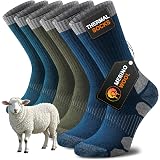
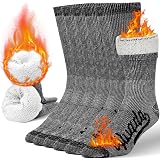
Conversely, hiking-specific socks are typically constructed from synthetic blends (like polyester, nylon, and spandex) or merino wool. These materials are prized for their moisture-wicking capabilities, drawing sweat away from the skin to the outer surface of the fabric where it can evaporate. This action helps keep feet dry and reduces the likelihood of hot spots and blisters. Moreover, many hiking socks offer strategic cushioning in high-impact areas, such as the heel and ball of the foot, providing additional shock absorption and comfort. Hypothetically, without proper wicking socks, a long walk could quickly turn into a painful experience, highlighting the critical role these seemingly minor items play.
Understanding Sock Materials and Layering
Merino wool socks are often favored for their natural thermoregulating properties, keeping feet cool in summer and warm in cooler conditions, alongside their natural odor resistance. Synthetic blends, on the other hand, frequently offer excellent durability and faster drying times. The video mentions experimenting with thicker, more robust socks, suggesting that a snug but not restrictive fit can also fill out shoes better, preventing internal movement that causes friction. For some, a two-sock system – a thin liner sock underneath a thicker outer sock – is employed to further minimize friction and wick moisture away more effectively. This layering strategy is considered a proactive measure against foot discomfort on extended urban hikes.
3. Smart Activewear: Pants and Upper Body Layers
Selecting appropriate activewear involves more than just aesthetics; it focuses on functionality, breathability, and protection. The video emphasizes breathable pants made from polyester and spandex blends, which are ideal for summertime hiking gear due to their lightweight nature and quick-drying properties. These materials offer flexibility and allow for unrestricted movement, which is essential for varied city walking. Imagine trying to navigate stairs or inclines in restrictive clothing; the experience would quickly become cumbersome.
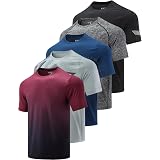
The inclusion of zippered pockets is a particularly valuable feature for urban hiking, providing secure storage for essentials like keys, wallets, or phones, preventing accidental loss during movement. For the upper body, the shift from cotton to polyester shirts is a significant upgrade. Polyester performance shirts are engineered with moisture-wicking technology to draw sweat away from the body, ensuring you remain dry and comfortable even on the warmest days. This is a stark contrast to cotton, which becomes heavy and clammy when wet, potentially leading to chafing and a significant drop in body temperature once you stop moving.
Layering for Dynamic Urban Conditions
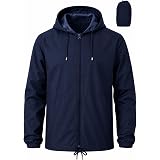
Layering is a fundamental principle for outdoor activity, even in urban settings. A base layer (polyester shirt) manages moisture, while a mid-layer (zipper hoodie) provides insulation for cooler temperatures or when resting. The hoodie’s zipper allows for easy ventilation adjustments as activity levels or weather conditions change. Finally, a windbreaker serves as an outer shell, offering protection against wind chill and light rain. The Mountain Warehouse windbreaker mentioned, with its strategic back vents, exemplifies how modern hiking gear is designed to optimize airflow, preventing overheating while still offering protection. This multi-layer system ensures adaptability to the unpredictable microclimates often encountered during a long day walk.
4. Essential Backpack Contents for Urban Exploration
A well-organized backpack is crucial for carrying all necessary items without feeling encumbered. A slim, 15-liter backpack, as described, is often sufficient for urban day walks, striking a balance between capacity and maneuverability in crowded areas. The use of a packing cube within the backpack is an ingenious solution for organization, allowing for quick access to essentials and preventing items from shifting around. This organized approach can save valuable time and reduce frustration when searching for specific items.
Preparedness for the Unexpected
A comprehensive first aid kit is non-negotiable, even for city walking. The Adventure Medical Kits Day Tripper Lite is an excellent example of a compact kit designed for day excursions, containing supplies for common minor injuries such as blisters, cuts, and scrapes. Adding personal medications or allergy relief to this kit further customizes it for individual needs. Secondly, while a windbreaker offers some water resistance, an emergency poncho provides dedicated protection during unexpected downpours, ensuring you stay dry. Furthermore, a small, quick-drying towel can be incredibly useful for wiping sweat, drying off after a sudden shower, or cleaning hands.
Navigating and Sustaining Your Journey
Other vital additions include insect repellent, particularly if your route takes you through parks or green spaces where mosquitoes might be present. Eye drops can provide relief from dust, pollution, or allergies common in urban environments. A pen and small notebook can be surprisingly handy for jotting down notes, directions, or contact information. Personal hygiene items, such as a travel-sized deodorant, are appreciated after a long day of activity. Energy sources, like protein bars, are critical for maintaining stamina, preventing fatigue, and addressing sudden hunger pangs. While most urban areas offer plenty of food options, having a backup snack is always a smart strategy for urban hiking.
Tools and Technology for Enhanced Experience
A compact multi-tool, often incorporating a knife, screwdriver, and other implements, offers practical utility for minor repairs or unexpected needs. While GPS navigation is readily available on smartphones, carrying a traditional compass as a backup is considered a good practice, especially when exploring less familiar areas or if technology fails. Finally, a fitness tracker, such as the Fitbit Inspire 2, not only motivates by tracking steps and activity levels but also provides valuable data on your progress and health metrics, enhancing the overall urban exploration experience. These tools collectively contribute to a safer, more efficient, and more enjoyable summertime urban hike.
Your Urban Hiking Gear Q&A: Summer Edition
What is urban hiking?
Urban hiking involves exploring cities on foot, walking through parks, historical areas, and neighborhoods. It offers a unique way to experience the city while enjoying physical activity.
What kind of shoes are best for urban hiking?
It’s best to wear shoes with ample cushioning to absorb the impact of walking on concrete and asphalt. Look for breathable materials and a flatter, durable rubber outsole for consistent grip on city surfaces.
Why are special socks important for urban hiking?
Specialized hiking socks, made from synthetic blends or merino wool, are important because they wick moisture away from your feet. This helps prevent blisters and keeps your feet dry and comfortable during long walks, unlike cotton socks which hold moisture.
What essential items should I carry in my backpack for an urban hike?
You should always carry a compact first aid kit for minor injuries and bring water along with energy snacks like protein bars to maintain stamina. A lightweight emergency poncho can also be very useful for unexpected rain.