Have you ever found yourself mid-stride on a city walk, perhaps admiring local architecture or navigating a bustling park, only to realize that your footwear is betraying you? It is a common scenario, wherein the unforgiving urban landscape, with its expansive stretches of concrete and varied terrains, demands specific considerations for comfort and performance. The accompanying video offers a practical guide to essential urban hiking gear, particularly for summertime day walks, drawn from personal experience. This article aims to expand upon these insights, providing a deeper dive into optimal selections for a more enjoyable and safer urban exploration.
Optimizing Your Urban Hiking Gear for Comfort and Performance
The selection of appropriate gear is paramount for any successful outdoor activity, and urban hiking is certainly no exception. While often underestimated, the unique demands of city environments necessitate a thoughtful approach to what is carried and worn. Furthermore, comfort, durability, and practical utility are prioritized to ensure that each stride contributes positively to the overall experience. Consequently, a comprehensive understanding of specific gear types, from footwear to essential bag items, can significantly enhance an urban adventure.
The Foundation: Selecting the Right Footwear for City Walks
The journey of any urban hiker typically begins with footwear, as demonstrated in the video. Initially, trail shoes, such as the Shadow Softshell from Mountain Warehouse, might be considered due to their waterproof properties and rugged design. However, it is often discovered that the prevalence of concrete surfaces in urban settings renders traditional trail shoes clunky and uncomfortable. This discomfort is primarily attributable to the stiffer soles and aggressive lugs designed for soft, uneven trails, which are ill-suited for hard, flat pavement.
Conversely, a shift towards cushioned running shoes, like the Asics Excite 8 AWL mentioned by the speaker, has been found to be exceptionally effective. These shoes are engineered with advanced cushioning technologies, such as Amplifoam, which provide superior shock absorption. This specific feature significantly mitigates the impact forces encountered on hard surfaces, thereby reducing foot fatigue and potential injury during long day walks. While advertised as water-resistant rather than fully waterproof, their comfort on concrete is a compelling advantage for the typical urban environment.
Practical Apparel: Enhancing Your Urban Hiking Experience
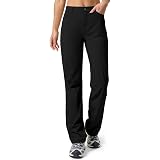
Beyond footwear, the choice of clothing plays a crucial role in maintaining comfort and readiness for varied city conditions. For bottoms, the video highlights the practicality of polyester and spandex track pants from Old Navy. These materials are chosen primarily for their breathability, which is vital during summer walks to prevent overheating. Additionally, the inclusion of zippered pockets is a critical feature, as it allows for secure storage of valuables like keys, wallets, or phones, preventing loss during active movement.
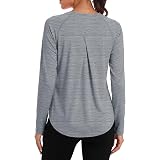
When considering upper body garments for urban hiking gear, the transition from basic cotton shirts to polyester options is a notable upgrade. Cotton, while comfortable for casual wear, retains moisture, leading to a clammy sensation and potential chafing when sweating. Polyester, on the other hand, is a synthetic fabric renowned for its moisture-wicking properties. This material effectively draws perspiration away from the skin and allows it to evaporate quickly, ensuring the body remains dry and comfortable even on hot days or during strenuous activity, as exemplified by the Texfit Dri-Dry Hydro Performance shirt.
Layering for Urban Adventures: Tops and Outerwear
The unpredictable nature of urban weather, even in summer, often necessitates a strategic approach to layering. Following a moisture-wicking polyester base layer, a zippered hoodie can be incorporated for insulation when temperatures drop. Hoodies offer a versatile layer that can be easily put on or taken off, providing warmth without excessive bulk. The preference for zippered hoodies is practical, enabling quick ventilation adjustments without fully removing the garment.
Furthermore, a lightweight windbreaker, such as the one from Mountain Warehouse, is an indispensable component of urban hiking gear. Windbreakers are specifically designed to block wind chill, which can be significant even on mild days, especially in open urban spaces or near water bodies. The speaker’s observation that strategically placed vents in the back of the windbreaker aid in cooling on hotter summer days illustrates a thoughtful design for thermal regulation. This combination of base layer, insulating layer, and protective outer shell ensures adaptability to fluctuating weather conditions, from cool mornings to warm afternoons and unexpected breezes.
Essential Day Pack Items for Urban Explorers
A compact, yet sufficiently spacious backpack is crucial for carrying necessary provisions during an urban hike. The video showcases a 15-liter backpack from Mountain Warehouse, which is ideal for day trips due to its slim profile and adequate capacity. To maintain internal organization, a packing cube is suggested, efficiently consolidating smaller items and preventing them from shifting or becoming misplaced within the main compartment. This methodical approach to packing ensures easy access to essentials and contributes to a more streamlined experience.
Within this organized space, several crucial items are typically carried. A Adventure Medical Kits Day Tripper Lite first aid kit, for instance, provides immediate care for common minor injuries such as blisters, cuts, or scrapes that can occur during extensive walking. A lightweight poncho serves as emergency rain protection, a thoughtful inclusion given the limitations of water-resistant footwear. Furthermore, a small towel is practical for various uses, from wiping sweat to cleaning hands. These items collectively contribute to a sense of preparedness, addressing potential minor inconveniences that could otherwise detract from the enjoyment of the hike.
Safety and Preparedness: Crucial Urban Hiking Additions
In addition to clothing and a basic first aid kit, several other items contribute significantly to safety and comfort during urban exploration. Insect repellent is a pragmatic inclusion, particularly when passing through parks, green spaces, or near bodies of water where mosquitoes and other biting insects may be prevalent. Similarly, eye drops can alleviate irritation caused by dust, pollen, or city pollutants, which are common environmental factors in urban areas. These seemingly minor items address specific discomforts that, if unaddressed, could substantially diminish the hiking experience.
Moreover, a pen and a small notebook can be surprisingly useful for jotting down notes, directions, or observations. A protein bar provides a readily accessible energy source, preventing fatigue during longer walks or if meal times are delayed. A compact multi-tool or pocket knife can assist with a myriad of small, unexpected tasks, from opening packaging to making minor adjustments to gear. Such items exemplify a proactive approach to potential urban hiking challenges, ensuring a smooth and uninterrupted journey.
Staying Connected and Protected: Additional Essentials
Personal connectivity and sun protection are final, yet vital, considerations for urban hiking gear. A baseball cap, particularly one with a velcro closure for easy adjustment, offers essential protection from the sun’s rays, safeguarding the face and eyes from prolonged exposure. This simple item can prevent sunburn and reduce glare, enhancing visual comfort during bright daytime walks. The speaker’s preference for a multi-pack of caps from Amazon highlights the practical benefit of having spare options.
Finally, integrating a fitness tracker, such as a Fitbit Inspire 2, into one’s urban hiking routine provides valuable data. Such devices accurately track steps taken, distance covered, and calories burned, offering insights into activity levels and progress. This quantitative feedback can serve as a significant motivator for regular participation in urban hikes, reinforcing the health benefits of exploring the city on foot. Therefore, a well-chosen array of personal items, combined with practical apparel and a prepared backpack, culminates in a thoroughly optimized urban hiking experience.
Your Essential Urban Hiking Kit: Summertime Q&A
What is urban hiking?
Urban hiking involves exploring a city on foot, navigating its architecture, parks, and various terrains like concrete pavements, for a day-long adventure.
Why do I need specific gear for urban hiking?
Specific gear is important because the city environment, with its hard surfaces and varied conditions, requires thoughtful choices for comfort, durability, and practical utility during your walks.
What kind of shoes are best for urban hiking on concrete?
Cushioned running shoes are recommended because their advanced cushioning provides superior shock absorption, which helps reduce foot fatigue on hard concrete surfaces during long walks.
What types of clothing are recommended for urban hiking in the summer?
For summer urban hiking, it’s best to wear breathable polyester and spandex track pants, and moisture-wicking polyester shirts, to stay comfortable and prevent overheating.
What are some essential items to carry in a backpack for urban hiking?
You should carry a compact first aid kit, a lightweight poncho for rain, insect repellent, eye drops, and a protein bar for energy, all within a small backpack.