Building a collection of reliable urban hiking gear is essential for comfortable and enjoyable day walks, especially during the warmer months. As seen in the video above, selecting the right equipment can make a significant difference, transforming a strenuous city trek into a pleasant exploration. This guide expands upon the practical insights shared, helping you curate your own set of urban hiking essentials, focusing on comfort, practicality, and preparedness for urban environments.
Choosing the Right Footwear for Urban Hiking Paths
The foundation of any successful urban hike begins with appropriate footwear. While traditional trail shoes might seem like a natural choice, their design often prioritizes rugged terrain over hard, flat surfaces. For instance, the speaker initially used Mountain Warehouse’s Shadow Softshell trail shoes, which were waterproof but proved clunky on urban concrete, leading to discomfort during extended walks. It is often discovered that the majority of urban trails consist of pavement, sidewalks, and asphalt, which demand a different kind of support.
Therefore, a switch to running shoes designed for road use is commonly recommended. The ASICS Excite 8 AWL (All Winter Long) mentioned in the video offers superior cushioning and comfort on hard surfaces, making them a much better fit for the typical urban landscape. These shoes, featuring “ample foam,” are adept at absorbing impact, which is crucial when many miles are being covered. While advertised as water-resistant, it should be noted that some water leakage around the toe box was experienced, suggesting that “waterproof” claims might need to be taken with a grain of salt for specific models in heavy rain.
Selecting Optimal Socks for Comfort and Blister Prevention
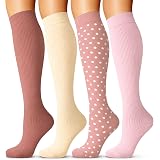
The importance of good socks cannot be overstated when assembling your urban hiking gear. Simply wearing a multi-pack of cotton socks, like those initially sourced from a general store, often leads to issues such as moisture retention and friction, which can result in blisters. A significant improvement is typically seen when transitioning to socks specifically designed for hiking or active wear, which are crafted from materials that manage moisture effectively.
For example, the Columbia hiking socks, available in a four-pack, are a popular choice for their suitability for active use, despite potential wear and tear over time. A further step up in comfort and durability can be found in thicker, more robust options such as the YUEDGE socks, which were initially considered work socks but found to provide excellent padding and a snug fit within walking shoes. These types of socks are often made from synthetic blends or merino wool, both of which are excellent at wicking away sweat and providing cushioning where it is most needed.
Essential Apparel for Summertime Urban Treks
Layering and material choices are critical considerations for urban hiking apparel, particularly during summer. Opting for breathable, moisture-wicking fabrics helps regulate body temperature and keeps you dry, even on the hottest days. The key is to avoid cotton as a base layer, which absorbs sweat and stays wet, leading to chafing and discomfort.
Breathable Pants and Secure Pockets
For active lower body wear, pants made from a blend of polyester and spandex are an excellent choice. These materials offer breathability, flexibility, and quick-drying properties, which are all vital for urban hikes. Old Navy activewear pants, as highlighted in the video, illustrate how readily accessible brands can provide functional options. A crucial feature to look for in any urban hiking gear is zippered pockets, especially on pants. The security offered by zippers means important items like keys, wallets, or phones can be stored safely, preventing accidental loss during movement.
Moisture-Wicking Shirts for Dry Comfort
Moving from basic cotton shirts to polyester or other synthetic blends is a game-changer for upper body comfort during urban hikes. Polyester shirts, such as the TEXFIT “drip dry hydro performance” brand mentioned, excel at wicking moisture away from the body, keeping the wearer feeling dry and comfortable. This is particularly beneficial when the sun is out, or exertion leads to sweating, as the fabric allows sweat to evaporate quickly rather than saturating the shirt.
Layering with Hoodies and Windbreakers
Even in summer, urban environments can experience fluctuating temperatures or unexpected weather changes, making layering a smart strategy. A lightweight hoodie, especially one with a zipper, offers versatility; it can be easily donned or removed as conditions change. The speaker favors zippered hoodies, noting the convenience of adjusting ventilation. Over this, a windbreaker, like the one from Mountain Warehouse, provides an outer layer that protects against wind and light rain. These often feature vents, such as those in the back of the discussed windbreaker, which are useful for preventing overheating on warmer days.
Sun Protection with a Baseball Cap
Sun protection is a simple yet crucial aspect of urban hiking gear. A baseball cap helps shield the face from the sun’s rays, preventing sunburn and reducing glare. Caps with Velcro adjustments are often preferred for their ease of sizing and secure fit. While seemingly a minor detail, prolonged sun exposure can lead to fatigue and discomfort, making a cap an indispensable item.
The Essential Urban Hiking Backpack and Its Contents
A well-organized backpack is vital for carrying your urban hiking essentials without feeling burdened. For day walks, a compact yet spacious bag, such as a 15-liter backpack from Mountain Warehouse, is often sufficient. Its slim profile ensures it does not hinder movement in crowded urban settings.
Organizing with a Packing Cube
To prevent items from shifting and to make retrieval easier, utilizing a packing cube within the backpack is a highly effective organizational strategy. This simple addition keeps smaller items neatly compartmentalized, as demonstrated in the video. When everything has its place, accessing necessities becomes much more efficient.
Must-Have Bag Essentials for Preparedness
Inside the packing cube, several items are consistently recommended for urban hiking:
- First-Aid Kit: A compact kit, like the Adventure Medical Kits Day Tripper Lite, is a non-negotiable item. It provides peace of mind and essential supplies for minor scrapes, blisters, or other unexpected incidents that might occur during a walk. Having band-aids, antiseptic wipes, and pain relievers can quickly resolve minor issues.
- Poncho: Even with a water-resistant windbreaker, a lightweight poncho offers an extra layer of protection against unexpected heavy downpours, ensuring you stay dry when caught in inclement weather.
- Small Towel: A compact, quick-drying towel can be invaluable for wiping sweat, drying hands, or even cleaning up small spills.
- Insect Repellent: While urban areas might seem devoid of bugs, green spaces, parks, and wooded paths can harbor mosquitoes and other insects, making repellent a useful addition to your urban hiking gear.
- Eyedrops: For those prone to allergies or who experience dry eyes, especially on windy or dusty days, eyedrops can provide quick relief and enhance comfort.
- Pen: A simple pen can be surprisingly useful for jotting down notes, directions, or contact information.
- Deodorant: Maintaining personal hygiene on longer walks, particularly in warmer weather, is easily addressed with a travel-sized deodorant.
- Protein Bar: A high-energy snack, such as a protein bar, provides sustained energy, preventing fatigue and keeping hunger at bay until a proper meal can be had.
- Compass or Navigation Tool: While most urban areas are well-mapped, a basic compass or a reliable navigation app on your phone can be helpful, particularly when exploring less familiar routes or large park systems.
- Multi-Tool: A compact Swiss Army knife or multi-tool can offer various functionalities, from opening packages to making minor adjustments, providing a practical solution for unexpected needs.
Tracking Progress with a Wearable Device
Finally, a wearable fitness tracker, such as a Fitbit Inspire 2, adds an extra dimension to urban hiking. These devices are used to track steps, distance, and calories burned, providing valuable data to monitor fitness goals and motivate further activity. The integration of such technology into urban hiking gear helps individuals stay accountable and celebrate their progress.
Street Smart Gear: Your Summertime Walk Q&A
What is ‘urban hiking gear’?
Urban hiking gear refers to specialized equipment and clothing designed to make day walks in city environments more comfortable and enjoyable, especially during warmer months.
What kind of shoes should I wear for urban hiking?
For urban hiking, road running shoes with good cushioning are recommended. They provide better comfort and support on hard surfaces like pavement and sidewalks compared to traditional trail shoes.
Why are special socks important for urban hiking?
Special hiking socks are important because they are made from materials that manage moisture effectively and provide cushioning, helping to prevent blisters and discomfort during long walks.
What types of clothes are best for urban hiking in summer?
For summer urban hikes, choose breathable and moisture-wicking fabrics like polyester or synthetic blends. These materials help keep you dry and regulate body temperature, unlike cotton which absorbs sweat.