In 2022, data from the Outdoor Industry Association revealed that an impressive 57.8 million Americans engaged in hiking, solidifying its position as a leading outdoor activity. This significant participation underscores a growing interest in connecting with nature. However, for many aspiring hikers, the initial enthusiasm can quickly give way to overwhelm, particularly when confronted with the vast array of specialized—and often expensive—beginner hiking gear and beginner backpacking gear available. The video above expertly cuts through this noise, offering a refreshing and realistic perspective on what you truly need to get started.
The core message is clear: you likely possess most of the essentials already. This approach fundamentally shifts the focus from costly purchases to simply stepping out your door. Rather than an exhaustive list of high-tech equipment, this guide, inspired by the practical advice shared, delves into the foundational items that will comfortably get you onto the trail for your very first hiking for beginners experiences.
Essential Footwear for Beginner Hikers
Embarking on your first hike doesn’t necessitate a significant investment in specialized footwear. For most novice trails, studies show that improper footwear is a leading cause of discomfort, yet expensive hiking boots aren’t always the solution initially. As highlighted in the video, a comfortable pair of running shoes or sneakers often suffices, especially for shorter, less technical excursions.
The critical factor is comfort and support for extended walking. Your everyday athletic shoes are designed for impact absorption and stability on paved surfaces, making them perfectly adequate for well-maintained dirt paths or urban trails. Look for shoes with good arch support and a snug fit to prevent blisters.
When to Consider Upgrading Your Hiking Footwear
While sneakers are a great starting point, understanding when to consider more specialized options is key for progression. As you venture onto more challenging terrain—think rocky paths, muddy trails, or longer distances—the benefits of dedicated hiking footwear become apparent. Trail running shoes offer enhanced grip and protection with lightweight designs, ideal for faster-paced hikes.
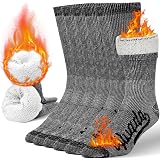
Light hiking shoes provide more ankle support and durability than trail runners, making them suitable for moderate trails and day hikes with a light pack. Full hiking boots, with their robust construction, superior ankle support, and often waterproof membranes, are best reserved for multi-day trips, rugged terrain, or inclement weather conditions. Many hikers find that investing in proper hiking socks—made from wool or synthetic blends to wick moisture—yields significant comfort dividends, regardless of the shoe choice.
Smart Layering: Your First Hiking Clothing Strategy
The concept of layering is paramount in outdoor pursuits, far more effective than seeking a single “perfect jacket.” This system allows you to adapt to fluctuating temperatures and exertion levels by adding or removing clothing. Data from outdoor safety organizations consistently emphasize layering as a key strategy to prevent hypothermia or overheating on the trail.
A simple three-layer system is often recommended, even for beginners. A base layer (next to skin) manages moisture, a mid-layer provides insulation, and an outer layer offers protection from wind and rain. This adaptable approach means you can comfortably hike in a wider range of conditions without needing a specific, highly technical piece of outerwear.
Understanding Fabrics: Beyond “Cotton Kills”
The video touches on the common adage, “stay away from cotton.” This isn’t just a casual suggestion; it’s a critical safety guideline backed by extensive outdoor incident reports. Cotton absorbs moisture—whether from sweat or rain—and dries very slowly. When wet, cotton loses its insulating properties, leading to rapid heat loss and a significant risk of hypothermia, even in mild temperatures. This phenomenon is why the phrase “cotton kills” became a staple in outdoor education.
For your first hiking trip, prioritize synthetic fabrics like polyester or nylon, or natural fibers like merino wool. These materials excel at wicking moisture away from your skin, drying quickly, and retaining insulating properties even when damp. While a pair of jeans might be acceptable for a short, dry walk in a park, any trail with a risk of rain or significant sweating warrants a switch to performance fabrics for pants and shirts alike.
Choosing Your First Backpack and Emergency Essentials
Just as with clothing, your initial backpack doesn’t need to be a specialized, feature-laden model. A study published in the *Journal of Outdoor Recreation, Education, and Leadership* often highlights that overpacking is a common mistake for new adventurers. The video rightly points out that a simple book bag, messenger bag, or even a fanny pack can be perfectly functional for short day hikes. The key principle is to match the pack to its contents, not the other way around. Avoid buying an oversized pack only to feel compelled to fill it with unnecessary items, adding undue weight to your journey.
For most beginner hiking gear needs, you’re primarily carrying water, snacks, a basic emergency kit, and perhaps an extra layer. A simple daypack (10-25 liters) will typically suffice. Look for a pack with comfortable shoulder straps; a hip belt can be a bonus for distributing weight if you anticipate carrying more than a few pounds.
Building a Minimalist Emergency Kit for the Trail
While the goal is not to prepare for every conceivable disaster, a small emergency kit is a non-negotiable component of outdoor safety. This isn’t about carrying an entire field hospital, but rather the essentials to manage minor incidents and signal for help. Based on recommendations from organizations like the National Outdoor Leadership School (NOLS), a basic kit should include:
- First-Aid Supplies: Bandages, antiseptic wipes, pain relievers, blister treatment. Consider adding any personal medications you might need.
- Signaling Device: A whistle is incredibly effective and lightweight for attracting attention.
- Illumination: While your phone flashlight is useful, a dedicated small LED flashlight or a headlamp (with extra batteries) is superior for hands-free use and preserving phone battery.
- Sun Protection: Small tube of sunscreen and lip balm.
- Insect Repellent: Essential for comfort in many environments.
- Navigation: Even on familiar trails, a basic map and compass can be invaluable if your phone loses signal or battery. Familiarize yourself with how to use them.
Your smartphone itself is arguably the most crucial piece of emergency equipment. Before heading out, always inform someone of your planned route and estimated return time. Ensure your phone is fully charged and consider carrying a portable power bank. While not a substitute for preparation, a phone provides a direct line to assistance in most populated hiking areas, making it a primary component of your trail essentials.
Practicing Leave No Trace Principles
The video briefly introduces the critical concept of Leave No Trace, which is more than just packing out your trash; it’s a comprehensive set of outdoor ethics. While an entire video could (and will) be dedicated to this, understanding its relevance to your gear is immediate. One particularly important aspect for beginners, as highlighted, involves human waste management. Carrying a small roll of toilet paper and a lightweight trowel (often called a “poop shovel”) allows you to properly bury human waste at least 6-8 inches deep and 200 feet away from water sources, trails, and campsites.
This simple act significantly reduces the spread of disease, prevents water contamination, and preserves the aesthetic beauty of natural spaces. Embracing these principles from your very first hike ensures you contribute positively to the outdoor environment, fostering a sustainable relationship with the natural world that benefits all users. Remember, every piece of essential hiking gear should serve a purpose, not just to enhance your comfort, but also to uphold your responsibility to the trails and wild places we cherish.
The Urban Hiker’s Q&A: Your Path from Pavement to Peak
What kind of shoes do I need for my first hike?
For most beginner trails, a comfortable pair of running shoes or sneakers you already own will suffice. The most important factors are comfort and good support for walking.
What kind of clothing should I wear for hiking?
It’s best to dress in layers so you can easily adjust to changing temperatures. Avoid cotton, as it stays wet and can make you cold; instead, choose synthetic fabrics like polyester or wool.
Do I need a special backpack for my first hiking trip?
No, a simple book bag, messenger bag, or even a fanny pack can work for short day hikes. The key is to carry only essentials like water, snacks, and a basic emergency kit without overpacking.
What are some essential items for a basic emergency kit on the trail?
A basic emergency kit should include first-aid supplies, a whistle for signaling, a small flashlight, sun protection, and a map with a compass. Always ensure your phone is fully charged and tell someone your hiking plans before you go.