What is Bushwhacking?
Bushwhacking is exploring without established trails. It means moving through untouched wilderness. Hikers cut through dense vegetation. They rely on their skills. It offers a unique connection with nature. This activity demands careful navigation.Bushwhacking differs significantly from typical trail hiking. Trails are clearly marked. They offer predictable paths. Bushwhacking means no pre-defined route. You choose your own direction. This requires advanced map and compass skills. A GPS device is also crucial. It truly tests your outdoor abilities.
Navigating the Unmarked Path: Insights from Off-Trail Hiking
The Allure of Wilderness Exploration
Many seek the solitude of the backcountry. Bushwhacking offers this solitude. It leads to rarely seen landscapes. You can discover hidden viewpoints. It provides an unmatched sense of achievement. Each step is an adventure.The journey itself becomes the reward. You learn to read the land. Animal trails can guide you. Water sources dictate your route. This is true wilderness immersion. It sharpens your outdoor senses.
Following Nature’s Guides: Bear Trails and Animal Paths
Our video highlights a “prominent bear trail.” Animal paths are common in the wild. They can offer a temporary advantage. Animals create natural corridors. These often follow the path of least resistance. This makes movement easier.However, relying solely on animal trails has risks. First, they might not go where you want. They could lead to thickets. Second, they can disappear suddenly. Always confirm your direction. Lastly, you might encounter wildlife. Be prepared for such meetings. Make noise to avoid surprises.
Tackling Dense Vegetation: Strategies for Salal and More
The video mentions a “salal mess.” Salal (Gaultheria shallon) is a common Pacific Northwest shrub. It forms incredibly dense thickets. Moving through it can be exhausting. Other common obstacles include devil’s club and thorny bushes. These plants demand respect.To navigate dense vegetation, good technique is key. First, use trekking poles for balance. Second, wear durable clothing. This protects against scratches. Third, take short, deliberate steps. Avoid rushing through the brush. Sometimes, a slight detour saves effort. Look for natural clearings. They offer a brief respite.
Mastering Challenging Terrain: From Swamps to Plateaus
Understanding Wetland Challenges
The adventurers mention a “swamp in the wet season.” Wetland areas present unique difficulties. Mud can suck at your boots. Water crossings can be deep. Bogs hide unstable ground. These areas slow down progress significantly.Crossing wet terrain requires careful foot placement. Test the ground ahead. Use a trekking pole to probe. Avoid sinking too deeply. Waterproof boots are essential. Gaiters can keep your lower legs dry. Be mindful of potential slips. A fall in muddy water can be messy. It could also damage gear.
Essential Gear for Your Bushwhacking Adventure
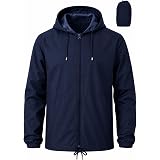
Proper gear is paramount for bushwhacking. It ensures safety and comfort. First, a reliable map and compass are vital. A GPS device provides crucial backup. This helps with precise route finding. Second, durable, waterproof clothing is a must. Long pants and sleeves protect from scratches. Third, sturdy hiking boots offer ankle support. They also provide good grip.Always carry enough water and food. A first-aid kit is non-negotiable. Consider a satellite communication device. It allows emergency contact. Finally, a headlamp is important. It is useful if you are caught out after dark. These tools make your journey safer. They prepare you for the unexpected.
Safety First: Preparing for Your Bushwhacking Journey
Planning Your Off-Trail Route
Thorough planning is crucial for any bushwhacking trip. First, study topographic maps carefully. Identify potential obstacles. Look for natural landmarks. Plan multiple bailout routes. Second, check weather forecasts. Adverse weather complicates navigation. It also increases risks. Third, inform someone of your plans. Share your intended route. Give them your expected return time. This is a critical safety measure.Emergency Preparedness
Accidents can happen even to experienced hikers. Be ready for emergencies. Carry a personal locator beacon (PLB). Know how to use it. Understand basic first aid. Practice navigation skills regularly. This builds confidence. It ensures you can react effectively. Self-reliance is key in the backcountry. Bushwhacking offers an unparalleled sense of adventure. It connects you deeply with the natural world. The challenges, like navigating thick salal or swampy valleys, are part of the journey. Embrace the spirit of exploration and prepare thoroughly for your own off-trail hiking experiences.Navigating Your September Hiking & Bushwhacking Queries
What is bushwhacking?
Bushwhacking is a challenging form of off-trail hiking where you explore without established paths, moving through untouched wilderness. It involves forging your own path and navigating dense terrain.
How is bushwhacking different from regular trail hiking?
Unlike regular trail hiking with marked and predictable paths, bushwhacking involves choosing your own direction without a predefined route. It requires you to rely on your navigation skills rather than following a trail.
What essential gear should I bring for bushwhacking?
You should always carry a reliable map and compass, along with a GPS device for backup. Durable, waterproof clothing, sturdy hiking boots, enough water and food, and a first-aid kit are also vital.
What are some important safety tips for bushwhacking?
Thoroughly plan your route using maps and check the weather forecast before you go. It’s also crucial to inform someone of your intended route and expected return time as a critical safety measure.