The Science of Efficient Bushwhacking
Successful bushwhacking is less about brute force and more about applied science, leveraging principles of navigation and environmental understanding. Adopting a data-driven approach to route selection and execution significantly minimizes obstacles and conserves vital energy during extended expeditions. Intermediate to expert practitioners understand the critical difference between merely pushing through and intelligently circumventing.Strategic Route Planning and Terrain Analysis
Comprehensive pre-trip analysis is the bedrock of efficient bushwhacking, utilizing detailed topographic maps and digital mapping platforms. Identifying key terrain features such as ridgelines, drainage features, and saddle points provides invaluable navigational anchors throughout your journey. Studies indicate that sophisticated pre-trip terrain analysis can reduce bushwhacking time by up to 20%, simultaneously decreasing the likelihood of route deviations. Effective planning incorporates an assessment of canopy cover, potential blowdown zones, and areas of high understory density, allowing for strategic avoidance.Precision Navigation and Micro-Route Finding
Integrating advanced navigation tools like a quality baseplate compass and a robust GPS device is paramount for maintaining bearing and confirming location in complex terrain. Expert bushwhackers routinely practice terrain association, matching observable ground features with their corresponding representations on the map. Research suggests that experienced navigators maintain an average bearing deviation of less than 5 degrees over a kilometer in dense forest, a testament to their refined micro-route finding skills. Utilizing GPS waypoints for critical junctions and employing precise azimuths for long cross-country legs significantly enhances directional accuracy and efficiency.Optimizing Gear for Wilderness Travel
The right gear selection is a non-negotiable component of efficient and safe bushwhacking, directly impacting comfort, protection, and performance. Specialized equipment designed for the rigors of off-trail travel helps mitigate common challenges such as entanglement, abrasion, and unexpected weather shifts. Furthermore, every item carried must serve a purpose, balancing weight with durability and functionality for extended wilderness excursions.Apparel and Protection
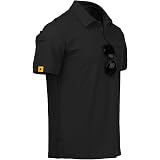
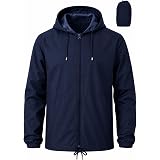
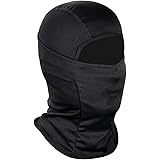
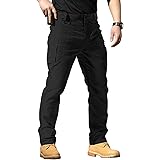
Investing in highly durable, ripstop materials like Cordura or robust nylon for outer layers provides essential resistance against thorns, branches, and rock abrasion. Layering systems are critical for maintaining optimal body temperature and managing moisture, preventing both hypothermia and overheating in varied conditions. Empirical observation suggests that full arm and leg coverage, often with gaiters, can reduce minor skin abrasions by over 60% compared to exposed limbs during intense bushwhacking sessions. Heavy-duty gloves protect hands from cuts and scrapes while actively parting dense vegetation.Essential Navigation Tools
A reliable primary compass, such as a Suunto MC-2 or similar model with adjustable declination, is indispensable for accurate bearing acquisition. A high-performance GPS device, like a Garmin InReach or eTrex model, pre-loaded with detailed topographic maps and planned routes, offers redundant navigation capabilities. Additionally, carrying physical maps, preferably laminated or stored in waterproof cases, ensures access to critical data even in the event of electronic failure. Practical field tests demonstrate that a well-utilized GPS device can accelerate route correction by 30% compared to map-only navigation in visually challenging, dense forest conditions.Mastering Movement and Energy Management
Efficient bushwhacking necessitates a mindful approach to physical movement and sustained energy management, minimizing fatigue and maximizing progress. Understanding biomechanics and applying strategic pacing are fundamental to navigating challenging terrain without excessive exertion. Furthermore, conserving energy throughout the day allows for clearer decision-making and safer wilderness travel.Gait and Body Mechanics
Adopting a low-impact, deliberate gait helps conserve energy and reduces the risk of injury on uneven, obstacle-laden terrain. This involves placing each foot carefully, testing for stability, and avoiding hurried, uncontrolled steps. Biomechanical studies show that a controlled, deliberate gait reduces energy expenditure by an estimated 15% in variable, uneven terrain compared to an unoptimized stride. Utilizing hands and forearms to actively part dense vegetation, rather than merely pushing through, mitigates resistance and prevents clothing snags. Maintaining a balanced center of gravity is crucial when stepping over logs or descending steep, brushy slopes.Pacing and Breaks
Establishing a consistent, sustainable pace is vital for long-duration bushwhacking, avoiding bursts of high-intensity effort followed by exhaustion. Implementing short, frequent breaks (e.g., 5-10 minutes every hour) allows for quick recovery, hydration, and minor adjustments without a significant loss of momentum. Research indicates that frequent, brief pauses contribute to better sustained performance and mental clarity than fewer, longer breaks during physically demanding activities. Adequate hydration and regular caloric intake through easily accessible snacks are also paramount for sustained energy levels and cognitive function.Environmental Stewardship and Safety Protocols
Efficient bushwhacking extends beyond personal technique to encompass responsible interaction with the wilderness and robust safety planning. Adhering to Leave No Trace principles and implementing comprehensive risk mitigation strategies are essential for both environmental protection and personal well-being. Additionally, understanding potential hazards and preparing for emergencies is a hallmark of experienced outdoor professionals.Adhering to Leave No Trace Principles
Minimizing environmental impact is a core tenet of responsible bushwhacking, particularly in sensitive ecosystems like those found in the Adirondacks. This involves avoiding fragile vegetation, dispersing impact by not creating discernible paths, and preventing the spread of invasive species. A 2018 study on wilderness impact noted that bushwhacking without mindful practices can increase soil erosion rates by 10-15% in vulnerable ecosystems compared to established trail use. Careful route selection helps bypass critical wildlife habitats and delicate plant communities.Risk Mitigation and Emergency Preparedness
Comprehensive safety protocols include communicating detailed route plans with a trusted contact and carrying a satellite messenger or personal locator beacon (PLB) for emergency communication. A well-stocked first-aid kit capable of addressing common wilderness injuries is indispensable, along with an emergency shelter system. Furthermore, maintaining a keen awareness of local wildlife, weather patterns, and potential natural hazards such as steep cliffs or swift water crossings is critical for proactive risk management. Experienced bushwhackers understand that thorough preparation significantly reduces incident severity.Advanced Techniques for Adirondacks Bushwhacking
Bushwhacking in the Adirondacks presents unique challenges and opportunities, demanding specific adaptations to navigate its diverse and often demanding terrain. The region’s distinct ecological characteristics require nuanced strategies beyond generic wilderness travel principles. Effectively navigating the Adirondacks involves specific tactical considerations for its particular forest types and topographical features.Adapting to Adirondack Terrain
The Adirondacks are characterized by expansive tracts of dense spruce-fir forests, extensive boggy areas, and complex blowdown zones, all of which significantly impede travel. Strategic route planning often involves utilizing ridgelines to avoid these low-lying, often impassable sections, or carefully navigating along the edges of drainage features. Navigating dense Adirondack spruce thickets can reduce travel speed by 50% compared to open forest, highlighting the critical need for strategic avoidance and smart route selection. Understanding the distinct properties of deciduous versus coniferous forests also informs passage, as deciduous woods generally offer clearer sightlines when leafless.Seasonal Considerations
Seasonal variations profoundly impact bushwhacking conditions and necessitate adaptable strategies in the Adirondacks. Winter bushwhacking benefits from consolidated snowpack, which can bridge small streams and level uneven ground, yet it introduces risks associated with extreme cold and deeper snow. Conversely, summer presents dense foliage, significantly reducing visibility and increasing the “clutter factor” for navigation, while also introducing prolific insect populations. Research suggests that visibility in peak summer foliage can be reduced by up to 70% in certain forest types compared to late fall. Spring and fall often offer a balance, with reduced insect activity and improved sightlines, especially after leaf-drop. Mastering bushwhacking in the Adirondacks requires a dynamic approach, adjusting techniques based on these environmental factors for optimal efficiency and safety.Untangling the Thicket: Your Adirondack Bushwhacking Q&A
What is bushwhacking?
Bushwhacking is hiking off-trail through unmarked wilderness areas, often involving dense vegetation and challenging terrain. It means navigating without an established path or trail.
Why should I learn efficient bushwhacking techniques?
Learning efficient techniques makes off-trail adventures less strenuous and more enjoyable. It helps you conserve energy and navigate challenging wilderness areas more strategically and safely.
What are the most important navigation tools for bushwhacking?
Essential navigation tools include detailed topographic maps, a reliable compass, and a robust GPS device. These are vital for staying on course and knowing your location in the wilderness.
What kind of clothing is best for bushwhacking?
Wear durable, ripstop materials for outer layers to protect against thorns and branches. Full arm and leg coverage, along with heavy-duty gloves, helps prevent minor injuries.