For those embarking on multi-day hikes, the pursuit of an optimized pack weight is a perennial endeavor. Every ounce meticulously considered, every item scrutinized for its absolute necessity. This relentless refinement of gear is not merely about achieving an arbitrary number; rather, it is directly correlated with enhanced comfort, reduced fatigue, and greater agility on the trail. As explored in the accompanying video, seemingly minor adjustments to one’s kit can yield significant collective savings, transforming arduous treks into more enjoyable and sustainable experiences.
The philosophy of ultralight backpacking often centers on the removal of superfluous items and the intelligent selection of multi-functional gear. This is a journey of continuous learning, where traditional notions of preparedness are frequently challenged in favor of a streamlined, efficient approach. Through careful consideration of materials and utility, significant reductions in base weight are readily achieved, directly impacting one’s ability to cover greater distances with less strain on the body.
Optimizing Your Backpacking Utensils: The Case for a Long-Handled Spoon
One common item often re-evaluated by seasoned backpackers is the standard spork or short spoon. While appearing innocuous, its design can present practical limitations in a wilderness setting. The video insightfully suggests a transition to a long-handled, lightweight spoon, and the rationale behind this is quite robust.
When consuming dehydrated meals directly from their pouches, a short utensil necessitates inserting one’s hand deep into the bag, which can result in mess and contamination. Conversely, a long-handled spoon allows for easy access to every last morsel without requiring direct hand contact with the food or bag interior. Furthermore, it proves exceptionally efficient for stirring meals in taller pots and scraping the corners clean, ensuring no sustenance is wasted. Often, these specialized spoons are constructed from ultralight materials such as titanium, which offers an exceptional strength-to-weight ratio and is inherently corrosion-resistant, making it a durable choice for repeated use in varied conditions. Some backpackers even opt for reinforced plastic or bamboo versions, further shaving grams where possible.
The Inefficiency of the Standard Spork
The spork, in theory, presents a dual-purpose solution, attempting to combine the functions of a spoon and a fork. However, in practice, its performance as either is often compromised. Its tines are typically too blunt or short to effectively pierce and hold solid foods, while its spoon bowl is frequently too shallow or awkwardly shaped for efficient scooping of liquids or semi-solids. A dedicated spoon, especially one with an elongated handle, is generally found to be a superior tool for the types of meals commonly prepared on multi-day hikes. The marginal weight savings of a spork are often outweighed by its functional shortcomings, leading many to adopt a minimalist approach with a single, highly effective spoon.
Strategic Sock Selection: The Merino Wool Advantage
Foot care is paramount on any extended hike, and the choice of socks plays a critical role in preventing discomfort and potential issues like blisters. The advice to carry only one extra pair—one for hiking and one for sleeping—is a testament to a refined sock strategy. This minimalist approach is only feasible when the chosen materials are exceptionally high-performing.
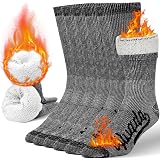
Merino wool is widely regarded as the gold standard for backpacking socks, and for excellent reasons. Its natural properties include superior moisture-wicking capabilities, drawing perspiration away from the skin to the fabric’s surface where it can evaporate. Crucially, Merino wool retains a significant portion of its insulating properties even when wet, which is a stark contrast to cotton. Additionally, its inherent odor resistance, attributed to lanolin and the complex structure of its fibers, means that socks can be worn for multiple days without becoming unpleasantly pungent. This allows hikers to carry fewer pairs, directly reducing pack weight.
Why Cotton is Detrimental for Multi-Day Hikes
In direct opposition to Merino wool, cotton is universally advised against for any performance outdoor activity, particularly multi-day hikes. Cotton fibers absorb moisture readily but release it very slowly, meaning that once wet from sweat or external conditions, cotton socks remain damp for extended periods. This prolonged dampness creates an ideal environment for friction, softening the skin and significantly increasing the risk of blisters. Moreover, cotton loses virtually all its insulating capability when wet, which can lead to dangerously cold feet in cooler temperatures. Prioritizing quick-drying, hydrophobic fibers like Merino wool or high-performance synthetics is essential for maintaining foot health and comfort on the trail.
Mastering Your Multi-Day Clothing System: Efficiency and Versatility
The concept of wearing only one primary outfit for hiking, complemented by base layers specifically for sleeping, is a hallmark of efficient backpacking. This strategy hinges on selecting garments that are quick-drying, versatile, and suitable for a range of conditions when properly layered. The key principle here is functionality over fashion, ensuring every piece serves a purpose and contributes to the overall system.
A well-constructed multi-day clothing system typically comprises several layers, each designed to perform specific tasks. A moisture-wicking base layer (often Merino wool or synthetic) is worn next to the skin to manage sweat. A mid-layer, such as a lightweight fleece or puffy jacket, provides insulation. Finally, an outer shell offers protection from wind and rain. The “one outfit” philosophy applies to the active hiking layers, which are chosen for their durability, breathability, and rapid drying times. These items are often supplemented by a dedicated set of sleep base layers, which also serve as clean, dry camp clothes, providing a sense of hygiene and warmth after a long day of exertion.
The Imperative of Quick-Drying Fabrics
The avoidance of cotton t-shirts and other cotton garments is a non-negotiable rule for multi-day hikes. As previously discussed with socks, cotton’s water-retentive properties make it wholly unsuitable for activewear in variable outdoor environments. Instead, garments constructed from advanced synthetic fibers like polyester and nylon, or natural performance fibers like Merino wool, are preferred. These materials are engineered to wick moisture away from the body efficiently and to dry incredibly fast, often within hours in favorable conditions. This characteristic is vital for maintaining body temperature regulation, preventing hypothermia in cold, wet weather, and reducing the total number of garments that must be carried. The adaptability and quick-drying nature of these materials are foundational to a lean, effective clothing system for multi-day hikes.
Your Gear Evolution: Multi-Day Hike Q&A
Why is it important to have a lightweight backpack for multi-day hikes?
Optimizing your pack weight helps enhance comfort, reduce fatigue, and improve agility on the trail. This makes your hiking experience more enjoyable and sustainable.
What kind of utensil is recommended for eating on multi-day hikes?
A long-handled, lightweight spoon is recommended. It allows you to easily eat meals from deep pouches without making a mess and is efficient for stirring food in taller pots.
Why are Merino wool socks a good choice for backpacking?
Merino wool socks are great because they wick moisture away, resist odor, and keep you warm even if they get wet. This helps prevent blisters and means you can carry fewer socks.
Why should I avoid wearing cotton clothing on multi-day hikes?
Cotton is not recommended because it absorbs moisture easily and dries very slowly, which can lead to discomfort, blisters, and make you cold. It’s better to choose quick-drying fabrics like Merino wool or synthetics.