Are you considering an extended unsupported hike across challenging terrain? The meticulous preparation of **long-distance hiking gear** is paramount. As observed in the video above, a focused approach to gear selection informs successful thru-hiking endeavors. Strategic choices are made to optimize performance and reduce pack weight. This detailed guide expands upon critical considerations for an extensive **unsupported hike**, such as the 455-mile trek across Oregon.
Optimizing Trail Footwear and Gaiter Systems
Footwear choice is critical for thru-hikers. Hoka Mafate Speeds are frequently selected. Their cushioning properties support foot health. Durability is a key factor for sustained use.
Gaiters offer essential protection against trail debris. Small rocks, dirt, and plant matter are kept from entering shoes. This prevents discomfort and potential blister formation. Velcro attachment points often require reinforcement.
Industrial-strength adhesive is typically used. This ensures gaiters remain secure for the entire journey. Such proactive maintenance prevents mid-trip gear failures. Foot care is thus significantly improved.
Selecting an Ultralight Shelter System
A single-person tent is often prioritized for solo **ultralight backpacking gear** setups. Weight reduction is a primary objective. Such shelters are designed for minimal bulk and mass. The specific tent mentioned is impressively lightweight.
Its reported mass is less than a typical soda can. This illustrates extreme dedication to saving grams. Minimalist shelter systems contribute significantly to a lower base weight. This reduces physical strain on long traverses.
Shelter material technology plays a crucial role. Dyneema Composite Fabric (DCF) is often employed. DCF offers a superior strength-to-weight ratio. Weather protection is maintained without added burden.
Embracing Cold Soaking for Trail Nutrition
Leaving a stove and fuel behind substantially reduces pack weight. This is a common strategy for **unsupported hike** practitioners. Cold soaking becomes the alternative for rehydrating meals. A sealed container, like a plastic jar, is used for this purpose.
Foods such as instant rice, couscous, or dehydrated vegetables are rehydrated. Water is added hours before mealtime. This method eliminates the need for cooking fuel. It simplifies meal preparation on the trail.
Cold soaking requires specific meal planning. Palatability must be considered for cold-prepared foods. Nutritional density remains a high priority. Adequate calories are essential for endurance efforts.
Implementing Advanced Insect Protection Protocols
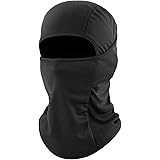
Insect populations can be formidable in regions like Oregon. Mosquitoes and ticks pose significant threats. Permethrin treatment is a highly effective prophylactic measure. This insecticide is applied to clothing and gear.
Permethrin repels and kills insects upon contact. It remains effective through multiple washes. Proper application ensures thorough coverage. This creates a defensive barrier around the hiker.
Fabrics are soaked or sprayed with the solution. This should be done weeks before the trip. This allows for complete drying and bonding. Comprehensive insect protection is thereby achieved.
The Philosophy of Ultralight Gear for Extended Journeys
Every item carried is scrutinized for weight and utility. A minimalist mindset is adopted for **long-distance hiking gear**. Gear decisions are influenced by the specific demands of the route. Terrain, climate, and resupply points are all factored.
Multi-use items are highly valued. For instance, trekking poles serve as both hiking aids and tent supports. Redundancy is carefully minimized. This ensures maximal efficiency in the pack.
The cumulative effect of small weight savings is profound. Reduced pack mass lessens fatigue. This enables higher mileage days. Overall trail experience is significantly enhanced by these **ultralight backpacking gear** principles.
Preparing for a 455-mile **unsupported hike** demands rigorous attention to detail. Every piece of **long-distance hiking gear** must be thoughtfully chosen and maintained. The insights provided here underline the importance of meticulous preparation. Such strategies are fundamental for success on extended treks.
Trail Talk: Your Oregon Expedition Q&A
What does an “unsupported hike” mean?
An unsupported hike means you carry all your necessary supplies like food, water, and gear from start to finish without outside help or planned resupplies. It requires careful planning to ensure you have everything needed for the entire journey.
Why is choosing the right footwear important for long hikes?
Proper footwear, like cushioned Hoka shoes, is essential for maintaining foot health and preventing discomfort during extended hikes. Durable shoes help ensure your feet are protected for the entire long-distance trek.
What is “cold soaking” for meals?
Cold soaking is a method where hikers rehydrate meals like instant rice or couscous in a sealed container with water, without using a stove or fuel. This technique helps reduce pack weight significantly by eliminating the need for cooking equipment.
How can hikers protect themselves from insects on the trail?
Hikers often treat their clothing and gear with Permethrin, an insecticide that repels and kills bugs like mosquitoes and ticks. This creates a protective barrier against insects for the duration of the hike.