Are you ready to transform your city strolls into engaging explorations? Urban hiking, a fantastic way to stay active and discover your surroundings, requires a specific approach to gear, especially during the warmer months. As demonstrated in the video above by Al Ryan, selecting the right essential urban hiking gear for day walks can significantly enhance comfort and safety.
Unlike traditional trail hiking, urban environments present unique challenges: miles of concrete, variable terrain including pavement and occasional gravel, and often less access to immediate shelter or specific amenities. This guide expands on the video’s practical advice, offering deeper insights into choosing gear that stands up to the demands of a summer city adventure.
Footwear for Urban Adventures: Prioritizing Comfort and Durability
The foundation of any successful urban hike begins with your feet. As Al highlights, the type of terrain you primarily encounter dictates your footwear choice. While initial thoughts might lean towards robust trail shoes, extensive concrete walking quickly reveals their limitations.
Choosing the Right Shoes for Urban Hiking
When selecting shoes for your urban expeditions, prioritize cushioning and support over aggressive tread. Trail shoes, like the Shadow Softshell Al initially tried, often feature stiffer soles and deep lugs designed for soft, uneven ground. On hard concrete, these can feel clunky and lead to discomfort or even injury over long distances. Instead, consider road running shoes or specialized walking shoes.
- Cushioning is Key: Look for ample midsole cushioning. Al’s positive experience with the Asics Excite 8 AWL, specifically mentioning “amplifoam” and its “cushiony” feel on roads, underscores this point. Brands like Hoka, Brooks, and New Balance also offer models known for their superior cushioning, which absorbs impact and reduces strain on your joints during prolonged pavement walking.
- Flexibility and Breathability: Urban walks often mean varying speeds and temperatures. A flexible upper material allows your foot to move naturally, while breathable fabrics prevent overheating.
- Water Resistance vs. Waterproof: The video touches on the dilemma of water resistance. While fully waterproof shoes might seem appealing, they often compromise breathability, making your feet hot and sweaty on dry days. Water-resistant options, which can handle light splashes and small puddles, are generally a good compromise for urban settings where significant water crossings are rare. If heavy rain is expected, consider carrying a lightweight waterproof cover for your shoes or choosing a dedicated waterproof shoe with good ventilation.
- Fit and Support: Always try on shoes, preferably at the end of the day when your feet are slightly swollen. Ensure there’s adequate room in the toe box and that the shoe provides good arch support for your foot type.
The Importance of Quality Socks for Urban Day Walks
Often overlooked, socks play a crucial role in foot comfort and health. Generic cotton socks, as Al learned, can lead to blisters and discomfort due to their moisture-retention properties. Switching to performance socks, like the Columbia hiking socks or the thicker YUEDGE work socks he found on Amazon, makes a significant difference.
- Moisture-Wicking Materials: Opt for socks made from merino wool or synthetic blends (polyester, nylon). These materials actively pull moisture away from your skin, keeping your feet dry and minimizing friction, which is the primary cause of blisters.
- Cushioning and Support: Performance socks often feature strategic cushioning in high-impact areas (heel, ball of foot) and arch support to reduce fatigue.
- Fit: Socks should fit snugly without being too tight or too loose. Baggy socks can bunch up and cause irritation.
- Layering: While Al mentions transitioning to two pairs of socks, this strategy can work for some, creating an additional layer of friction reduction. However, for most urban day walks, a single pair of high-quality, moisture-wicking socks is usually sufficient and more breathable. Experiment to find what works best for your feet and shoe combination.
Smart Clothing Choices for Summer Urban Hiking
Your choice of clothing directly impacts your comfort and ability to regulate body temperature. Summer urban hiking demands breathable, moisture-wicking fabrics that offer protection from the sun without causing overheating.
Performance Pants for City Exploration
Al’s choice of Old Navy polyester and spandex activewear pants is spot on for urban hiking. These materials offer distinct advantages:
- Breathability: Polyester and spandex blends are lightweight and allow air circulation, crucial for staying cool in warm weather.
- Freedom of Movement: The stretch in spandex ensures your pants don’t restrict your stride, whether you’re climbing stairs or navigating busy streets.
- Moisture Management: Unlike cotton, synthetic fabrics wick sweat away from your body, drying quickly and preventing that clammy feeling.
- Secure Pockets: As highlighted in the video, zippered pockets are a game-changer. They provide peace of mind, allowing you to securely store essentials like your phone, wallet, or keys without fear of them falling out during movement. Look for at least one zippered pocket for critical items.
Upper Body Layers: From Base to Outer Shell
Layering is essential, even in summer. The video outlines a smart system: a polyester shirt as a base, possibly a hoodie for cooler moments, and a windbreaker for protection.
Moisture-Wicking Base Layers
The switch from basic cotton to polyester shirts, like the Texfit Dri-Dry Hydro Performance Al uses, is a critical upgrade. Cotton absorbs sweat and stays wet, leading to chafing and a chill once you stop moving. Polyester, on the other hand:
- Dries Rapidly: It quickly moves moisture to the fabric’s surface where it evaporates, keeping you feeling dry.
- Lightweight: Ideal for warm conditions, it adds minimal bulk.
- UV Protection: Many synthetic performance shirts offer built-in UPF (Ultraviolet Protection Factor) to shield your skin from harmful sun rays, a significant benefit during long urban walks.
Lightweight Mid-Layer (Optional)
A thin hoodie, as suggested by Al, can serve as an excellent lightweight mid-layer. Look for one made from fleece or a performance blend if you anticipate cooler mornings or evenings, or if you’re sensitive to air conditioning when popping into shops or cafes. A full-zip design offers maximum versatility for temperature regulation.
The Essential Windbreaker
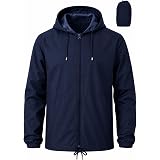
Even on clear summer days, a sudden change in weather or a brisk wind can make a windbreaker indispensable. Al’s Mountain Warehouse windbreaker illustrates key features:
- Wind and Light Rain Protection: Its primary role is to block wind chill and offer resistance against unexpected light showers.
- Breathability: Features like the back vents Al mentions are vital. They prevent you from overheating while still offering protection. Many modern windbreakers use highly breathable fabrics or strategic venting to balance protection with comfort.
- Packability: A good windbreaker should be lightweight and able to pack down into a small pouch or even its own pocket, making it easy to carry in your urban hiking backpack.
Sun Protection: The Baseball Cap
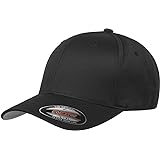
A baseball cap, such as the Velcro-backed one Al uses, is a simple yet effective piece of urban hiking gear. It shields your face from direct sun, helping prevent sunburn and reducing glare. Look for caps made from moisture-wicking fabrics for added comfort.
The Urban Hiking Backpack: Your Mobile Command Center
A well-chosen backpack is more than just a container; it’s an extension of your preparedness. Al’s 15-liter Mountain Warehouse backpack hits the sweet spot for day walks – large enough for essentials, but slim enough not to be cumbersome in crowded areas.
Backpack Selection and Organization
- Capacity: For urban day walks, a 10-20 liter backpack is usually ideal. It’s spacious enough for extra layers, snacks, water, and emergency items without being overly bulky.
- Comfort: Look for padded shoulder straps and a breathable back panel to prevent sweat buildup.
- Accessibility: External pockets for water bottles or quick-grab items are always a plus.
- Internal Organization: Al’s use of a packing cube is a brilliant strategy. It keeps smaller items organized and prevents a chaotic mess, making it easy to find what you need quickly. Consider using smaller pouches or Ziploc bags for specific categories (e.g., electronics, first aid, snacks).
Essential Items for Your Urban Hiking Backpack
Beyond clothing, several critical items ensure comfort, safety, and preparedness. Al’s comprehensive list provides a strong foundation for any urban hiker.
Safety and First Aid
- First-Aid Kit: The Adventure Medical Kits Day Tripper Lite is an excellent example of a compact, purpose-built kit. Always customize it with any personal medications, pain relievers, blister treatment (moleskin, athletic tape), antiseptic wipes, and band-aids. Even in a city, a minor cut or blister can quickly turn uncomfortable if not addressed.
- Poncho: While a windbreaker offers some rain protection, a lightweight emergency poncho provides full waterproofing for heavy downpours, protecting both you and your backpack. It’s a small item with significant utility.
- Insect Repellent: Mosquitoes and other biting insects aren’t just found in the wilderness. Parks, greenways, and shaded urban areas can harbor them, especially during warmer months.
- Eye Drops: As Al notes, allergies or simply dry, dusty city air can irritate eyes. A small bottle of eye drops offers instant relief.
- Multi-tool/Pocket Knife: A compact multi-tool can be surprisingly useful for minor repairs, opening packages, or other unexpected needs.
- Compass (and Map/GPS): While your phone likely has GPS, a traditional compass can be a helpful backup. More importantly, always have a general idea of your route and surroundings.
Personal Comfort and Hydration
- Water Bottle: Staying hydrated is paramount, especially when urban hiking in summer. Carry a reusable water bottle and know where you can refill it.
- Snacks: A protein bar, like the one Al carries, or other energy-rich snacks are crucial for maintaining energy levels during longer walks. Choose non-perishable items that are easy to eat on the go.
- Deodorant: A small travel-sized deodorant is a thoughtful addition for feeling refreshed during and after your activity.
- Small Towel: A compact, quick-drying towel can be used for wiping sweat, cleaning up, or as an impromptu cushion.
- Pen and Small Notebook: For jotting down observations, directions, or contact information.
Enhancing Your Urban Hiking Experience
Beyond the essentials, a few additions can further enrich your urban hike.
Fitness Tracking: The Fitbit Inspire 2
A fitness tracker, like Al’s Fitbit Inspire 2, adds an extra layer of motivation and data. It helps you monitor your steps, distance, calories burned, and even heart rate, turning your casual walk into a quantifiable fitness activity. Tracking your progress can encourage you to go further and explore more often.
Embrace the Journey
Urban hiking is about discovery. While gear is important for comfort and safety, remember to look up, explore side streets, discover hidden gems, and fully immerse yourself in the unique tapestry of your urban environment. The right urban hiking gear simply makes that journey more enjoyable and accessible.
Urban Hiking Essentials: Your Questions Answered
What is urban hiking?
Urban hiking transforms city strolls into engaging explorations, allowing you to stay active while discovering your local surroundings. It’s a unique way to experience your city on foot.
How is urban hiking different from traditional trail hiking?
Urban hiking involves unique challenges like miles of concrete and varied city terrain, which differs from the softer, uneven ground of traditional trails. This requires a specific approach to gear, especially footwear.
What kind of shoes are best for urban hiking?
For urban expeditions, prioritize shoes with ample cushioning and support, such as road running shoes or specialized walking shoes. These are better for absorbing impact on hard city pavements than stiff trail shoes.
Why are special socks important for urban hiking?
Socks play a crucial role in foot comfort and health, especially to prevent blisters. Opt for performance socks made from moisture-wicking materials like merino wool or synthetic blends, as they keep your feet dry.