Embarking on an urban hike or a day walk through the city offers a unique blend of exploration and exercise. It’s an opportunity to discover hidden gems, admire architecture, and connect with your surroundings on foot. As the video above demonstrates, having the right urban hiking gear can transform a good walk into a great adventure, especially during the warmer summer months.
Unlike traditional trail hiking, urban walks often involve different terrains, from concrete sidewalks and paved paths to occasional gravel trails in city parks. This means your gear needs to be versatile, comfortable, and practical for a busy environment. Let’s delve deeper into selecting the ideal urban hiking gear for your next city day walk.
The Foundation: Footwear for Urban Hikes
Your feet are your most important tools when urban hiking, so choosing the right footwear is paramount. Many beginners might grab any comfortable-looking shoe, but the type of terrain you encounter in a city demands specific features.
Choosing Your Urban Hiking Shoes
The speaker in the video started with trail shoes, like the Shadow Soft Shell from Mountain Warehouse, which were waterproof. While excellent for muddy trails, he quickly realized their clunky nature was uncomfortable on the vast expanses of city concrete. This highlights a crucial difference: concrete is unforgiving and requires significant cushioning.
He then switched to the Asics Excite 8 AWL, praising their AmpliFoam cushioning for superior comfort on roads. These shoes, despite being advertised as water-resistant, showed some limitations with water leaking near the toe box. When selecting your own urban hiking shoes, prioritize generous cushioning, good arch support, and a breathable upper. Think of your shoes as the tires on a car; you need the right tread and shock absorption for the specific roads you’ll be traveling.
For urban environments, look for shoes designed for road running or walking, as they often have the necessary shock absorption for hard surfaces. While full waterproofing might seem appealing, it can compromise breathability, leading to sweaty feet on warm days. Instead, consider water-resistant options for light rain or choose highly breathable shoes and carry a lightweight poncho for unexpected downpours.
Step Up Your Comfort: Socks for Day Walks
Often overlooked, socks play a critical role in foot comfort and health during any walk. The right pair can prevent blisters, wick away moisture, and provide additional cushioning.
Why Your Socks Matter
The speaker’s journey from basic multi-pack cotton socks to specialized hiking socks illustrates a common learning curve. Cotton socks, while soft, absorb sweat and hold onto moisture, leading to chafing and blisters. They’re like a wet sponge against your skin, rubbing with every step.
He found much better results with hiking-specific socks, such as the Columbia four-pack from Amazon, which offered better performance despite eventual wear and tear. His current preference, the thicker YUEDGE socks, also from Amazon, are designed for work boots but provide excellent cushioning and a snug fit. For urban hiking, opt for socks made from merino wool or synthetic blends (like polyester or nylon). These materials excel at wicking moisture away from your skin, keeping your feet dry and reducing the risk of painful blisters. A thicker material, as mentioned in the video, can also add extra padding against the hard city pavement.
Dressing Smart: Apparel for City Adventures
Your clothing choices significantly impact your comfort, especially when spending hours on your feet in varying urban temperatures.
Essential Bottoms: Comfort and Security
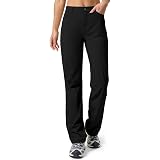
For bottoms, breathability and practical features are key. The speaker opts for polyester and spandex track pants from Old Navy, specifically highlighting their breathability for summertime and a zippered pocket. The blend of polyester and spandex provides flexibility for movement and quick-drying properties, which is crucial if you encounter unexpected rain or work up a sweat.
Zippered pockets are a game-changer for urban explorers. They offer a secure place for essentials like your phone, keys, or wallet, preventing them from falling out or being easily accessed by pickpockets in crowded areas. This peace of mind allows you to focus on enjoying your surroundings.
Tops That Perform: Stay Dry and Cool
Similar to bottoms, your top layer should prioritize moisture management. Initially, the speaker used basic cotton shirts but quickly moved to polyester, specifically the Texfit Dripdry Hydro Performance shirt from Amazon. Polyester is a synthetic fabric known for its excellent moisture-wicking capabilities.
Unlike cotton, which absorbs sweat and stays wet, polyester actively pulls moisture away from your skin to the fabric’s surface, where it can evaporate quickly. This keeps your body dry and comfortable, preventing that clammy feeling on a hot day or a chill when the temperature drops. Consider a breathable, light-colored shirt to reflect sunlight and stay cooler during peak summer heat.
Layering with Outerwear: Hoodies and Windbreakers
Even in summer, urban environments can present fluctuating temperatures or unexpected weather changes. Layering is a smart strategy. The speaker mentions wearing a polyester shirt, then a hoodie, and finally a windbreaker, depending on the conditions.
A lightweight, zipper hoodie, like the ones he favors from Amazon, provides an easily removable layer of warmth for cooler mornings or evenings. A windbreaker, such as his Mountain Warehouse choice, is indispensable. It protects against sudden gusts of wind that can make you feel colder, and it offers a barrier against light rain. The speaker initially had reservations about the vents in the back of his windbreaker but found them beneficial for hotter days, as they allow for crucial airflow. These vents act like small windows, preventing you from overheating while still offering protection from the elements.
Headwear for Sun Protection
A simple baseball cap, like the Velcro-backed ones the speaker picked up in a three-pack from Amazon, offers essential protection from the sun. It shields your face from direct sunlight, reducing the risk of sunburn and helping to prevent heatstroke. On bright days, it also reduces glare, making it easier to see your path and surroundings. Look for caps made from breathable, quick-drying materials to prevent sweat from building up.
The Essential Urban Hiking Backpack and Its Contents
Once your clothing and footwear are sorted, a practical backpack is needed to carry your additional urban hiking gear and essentials. A well-organized pack ensures you have everything you need without feeling weighed down.
Selecting Your Day Pack
The speaker uses a slim, 15-liter backpack from Mountain Warehouse, perfectly sized for a day walk. For urban excursions, a compact backpack is ideal; it shouldn’t be too bulky, making it easier to navigate crowded streets or public transport. A 10-20 liter pack is generally sufficient for a day’s worth of supplies.
Features to look for include comfortable shoulder straps, a lightweight design, and perhaps a few external pockets for quick access items. The speaker’s use of a packing cube inside his backpack to keep things organized is a fantastic tip. Packing cubes are like small compartments that prevent items from shifting around, making it easier to find what you need quickly without emptying your entire bag.
Inside the Pack: Must-Have Urban Hiking Essentials
Beyond the clothes on your back, a few key items can significantly enhance your safety and comfort. The speaker’s packing cube reveals a well-thought-out selection of essentials:
- Adventure Medical Kits Day Tripper Lite: A compact first-aid kit is crucial. Even on city streets, minor scrapes, cuts, or blisters can occur. This kit, designed for day trips, usually contains bandages, antiseptic wipes, pain relievers, and moleskin for blister treatment.
- Poncho: While a windbreaker offers some rain protection, a dedicated poncho, as the speaker carries, provides full coverage in heavier downpours. It’s lightweight, inexpensive, and can be a lifesaver when caught in an unexpected summer storm.
- Small Towel: A basic towel is versatile. It can be used to wipe away sweat, dry hands, clean off grime, or even as a makeshift cushion.
- Mosquito/Insect Repellent: Urban parks, green spaces, and areas near water can harbor mosquitoes and other biting insects, especially in summer. A small bottle of repellent can prevent uncomfortable bites.
- Eye Drops: City air can be dusty or polluted, and allergies are common. Eye drops can provide relief from irritation and dryness, ensuring clear vision and comfort.
- Pen: A pen is always useful for jotting down notes, addresses, or making a quick sketch. You never know when you might need to leave a note or sign something.
Prioritizing Safety and Well-being
Some items are less about immediate comfort and more about preparedness and health:
- Deodorant: Staying fresh is a simple but important consideration, especially on a long, warm urban hike.
- Protein Bar: A quick energy boost is essential if you find yourself feeling low on energy. A protein bar or another non-perishable snack can prevent hunger pangs and keep you going until your next meal.
- Compass: While modern smartphones have GPS, a small physical compass and knowing how to use it can be invaluable. Signal loss, dead batteries, or just wanting to understand your orientation in a new area make a compass a smart backup tool.
- Multi-tool/Pocket Knife: A small multi-tool with various apparatuses (like a knife, scissors, screwdriver) can be surprisingly handy for minor repairs, opening packages, or other small tasks that arise during your day.
Staying Prepared and Connected
Finally, technology can enhance your urban hiking experience:
- Fitbit Inspire 2: A fitness tracker like the Fitbit Inspire 2 helps monitor your steps, distance, heart rate, and calories burned. This data can be motivating and help you track your fitness goals, adding an extra layer of engagement to your day walks. Many urban hikers enjoy seeing how far they’ve explored.
Carefully selecting your urban hiking gear, from the comfortable shoes on your feet to the practical essentials in your bag, ensures you’re ready for any city adventure. The goal is to be prepared without being burdened, allowing you to fully immerse yourself in the urban landscape.
Urban Trail Talk: Your Summertime Gear Questions Answered
What is urban hiking?
Urban hiking is a way to explore a city on foot, combining exercise with discovering architecture and hidden gems. It involves walking on various terrains like sidewalks, paved paths, and city parks.
What kind of shoes are best for urban hiking?
For urban hikes, look for shoes designed for road running or walking that have generous cushioning and good arch support. This provides comfort on hard surfaces like concrete and paved paths.
Why are specialized socks important for day walks?
Specialized hiking socks, made from merino wool or synthetic blends, are important because they wick moisture away from your skin. This keeps your feet dry and helps prevent chafing and painful blisters.
What types of clothing should I wear for urban hiking in summer?
Choose breathable, moisture-wicking fabrics like polyester and spandex for your shirts and pants to stay dry and comfortable. Layering with a lightweight hoodie or windbreaker can help with fluctuating temperatures.
What are a few essential items to carry in my urban hiking bag?
You should carry a compact first-aid kit for minor scrapes, a lightweight poncho for unexpected rain, and a protein bar for an energy boost. These items help with safety and comfort during your walk.