Optimizing Your Urban Hiking Gear for Summertime Day Walks
Embarking on urban hikes or extended day walks can be an incredibly rewarding experience, offering unique perspectives on city landscapes and local charm. However, without the right urban hiking gear, these adventures may become less enjoyable, transforming picturesque strolls into uncomfortable ordeals. Challenges often include unexpected weather changes, blistering on concrete, or simply carrying too much unnecessary weight. The key to a successful urban exploration often lies in carefully selecting comfortable, versatile, and practical items, ensuring every step is supported and every unforeseen eventuality is met with preparedness.
The selection of appropriate equipment is vital for enhancing comfort and safety during your urban excursions. This guide, expanding upon the insights presented in the video above, delves into essential gear recommendations designed specifically for summertime day walks. Strategic choices in footwear, apparel, and critical accessories are explored, helping you assemble a kit that prioritizes both performance and convenience.
Footwear for Urban Hikes: Pavement vs. Trail
The foundation of any comfortable walk begins with your shoes, and urban environments present distinct challenges. While traditional trail shoes might seem like a logical choice for any hike, their robust construction and aggressive treads are often overkill for city pavements. Initial experiences with options like the waterproof Shadow Softshell trail shoe from Mountain Warehouse, as mentioned in the video, revealed their limitations on predominantly flat, hard surfaces. These shoes can feel clunky and uncomfortable when concrete is the primary terrain, much like using a mountain bike on a smooth road.
For extensive concrete walking, a more cushioned and responsive shoe is often preferred. Running shoes, such as the ASICS Excite 8 AWL, are frequently recommended for their superior shock absorption properties, which are invaluable on unforgiving urban surfaces. Their “amplifoam” technology, for instance, provides a springy feel that can significantly reduce foot fatigue over long distances, making each stride feel lighter. Although advertised as water-resistant, it is often discovered that sustained exposure to puddles can compromise their integrity around critical areas like the toe box, highlighting a common trade-off between cushioning and absolute waterproofing.
Selecting the Right Socks: A Crucial Comfort Layer
Beyond the shoes themselves, the choice of socks profoundly influences overall foot comfort and blister prevention. Basic multi-packs of cotton socks, while economical, often fail to meet the demands of prolonged walking, tending to absorb moisture and create friction. Such materials can quickly become soggy, contributing to hot spots and blisters, similar to wearing a heavy wool sweater in summer heat.
Transitioning to hiking-specific socks, such as those from Columbia or the thicker YUEDGE options, represents a significant upgrade. These socks are often crafted from synthetic blends or merino wool, materials celebrated for their moisture-wicking capabilities and improved durability. A thicker sock can also fill out shoes more effectively, preventing unwanted movement and reducing potential rubbing. Some walkers also find that wearing two thinner pairs of socks can provide an additional layer of protection, as friction occurs between the sock layers rather than directly on the skin.
Optimal Apparel for City Trails: Breathability and Practicality
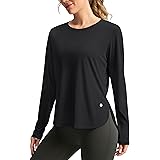
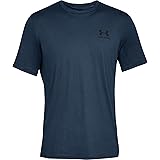
Summertime urban hiking demands clothing that manages heat and humidity efficiently. Cotton shirts, while breathable in casual settings, tend to retain sweat, leaving wearers feeling damp and uncomfortable during exertion. Polyester shirts, like the TEXFIT Drydry Hydro Performance mentioned, are a far superior choice due to their exceptional moisture-wicking properties, which help keep the body dry even during strenuous activity. This fabric acts much like a specialized membrane, pulling sweat away from the skin to evaporate quickly.
For lower body comfort, breathable track pants made from polyester and spandex blends are often favored. These materials offer both flexibility and excellent ventilation, crucial for warmer temperatures. The inclusion of zippered pockets, as highlighted with the Old Navy pants, is a highly practical feature, securely safeguarding essential items such as keys, wallets, or identification. This design aspect eliminates the constant worry of items falling out during movement, providing peace of mind during your walk.
Layering Strategies and Protective Outerwear
Even on summer days, weather in urban environments can be unpredictable, making layering an intelligent strategy. A lightweight polyester shirt serves as an ideal base layer, effectively managing perspiration. Should temperatures drop or a breeze pick up, a zippered hoodie offers an easily adjustable layer of warmth. The versatility of a zipper allows for quick ventilation adjustments, preventing overheating.
A windbreaker is another indispensable item, providing protection against sudden gusts or light rain. The Mountain Warehouse windbreaker, with its strategic back vents, exemplifies intelligent design that aids in temperature regulation, particularly beneficial on hotter days. These vents allow excess heat to escape without compromising protection from the elements, much like a chimney allowing smoke to rise. A simple baseball cap also offers crucial protection from the sun, shielding the face and scalp from harmful UV rays.
Essential Backpack Contents for Urban Exploration
A well-organized backpack transforms a simple daypack into a functional mobile base. A 15-liter backpack, such as the Mountain Warehouse model, provides ample space for essentials without being cumbersome. To maintain order within the pack, a packing cube is an invaluable tool. It compartmentalizes items, preventing them from shifting around and making them easily accessible, similar to how a toolbox keeps various tools neatly separated and ready for use.
Inside this organized system, several items are considered indispensable. An Adventure Medical Kits Day Tripper Lite first-aid kit, as identified in the video, is paramount for addressing minor injuries like cuts or blisters. A compact poncho offers emergency rain protection, while a small towel proves useful for wiping away sweat or drying hands. Insect repellent is crucial in areas where mosquitoes or other pests might be encountered, particularly near green spaces. Eye drops can alleviate irritation from dust or allergies, and a reliable pen is always handy for notes or emergencies. Personal hygiene items, such as deodorant, maintain comfort, and a protein bar provides quick energy. Navigational tools like a compass, even in an age of smartphones, offer a reliable backup, while a multi-tool can address various small issues on the go. Finally, a fitness tracker like the Fitbit Inspire 2, tracks steps and activity, providing valuable insights into your urban explorations.
Your Urban Day Walk Essentials: Summertime Gear Q&A
What is urban hiking gear and why is it important?
Urban hiking gear consists of comfortable and practical items chosen to make city walks enjoyable. It helps prevent discomfort from weather changes, foot pain, or carrying too much weight, ensuring you are prepared for your adventure.
What kind of shoes are best for urban hiking?
Cushioned running shoes are generally best for urban hiking because they offer superior shock absorption for hard concrete surfaces. Traditional trail shoes can feel too clunky for city pavements.
Why are special socks important for urban hikes?
Special hiking socks made from synthetic blends or merino wool are important because they wick away moisture and reduce friction, helping to prevent blisters. Cotton socks tend to absorb sweat, which can lead to discomfort.
What type of clothing is recommended for summer urban hiking?
For summer urban hiking, choose lightweight, moisture-wicking clothing like polyester shirts and breathable track pants made from polyester and spandex blends. These materials help manage heat and humidity by keeping you dry and comfortable.