In recent years, urban hiking has surged in popularity, with millions actively exploring cityscapes on foot. These excursions offer unique perspectives on metropolitan environments. The accompanying video expertly details a personal selection of essential **urban hiking gear** for summertime day walks. This guide expands upon those insights, providing a comprehensive, expert-level analysis of recommended equipment, focusing on functionality and ergonomic considerations for diverse urban terrains.
Optimizing Urban Hiking Footwear
The foundation of any successful urban expedition is appropriate footwear. Optimal selection significantly mitigates fatigue and prevents common foot ailments.
Strategic Shoe Selection for City Trails
Initially, trail running shoes, such as the Mountain Warehouse Shadow Softshell, might be considered. Their waterproof capabilities are often attractive. However, extensive concrete and asphalt surfaces present distinct challenges. The speaker’s experience highlights this critical distinction. Trail shoes, while robust for uneven natural terrain, frequently prove cumbersome on urban hardscapes. Their aggressive lugs and stiffer soles are ill-suited for prolonged pavement contact.
Consequently, road running shoes are often preferred. The Asics Excite 8 AWL model, noted for its Amplifoam cushioning, exemplifies this suitability. This advanced midsole technology absorbs impact effectively. This cushioning is paramount for mitigating stress on joints and musculature. While advertised as water-resistant, actual waterproof performance can vary. This performance variance is a critical consideration for unexpected downpours. Selecting footwear that balances cushioning with adequate traction for city pavements is essential.
Advanced Sock Choices for Blister Prevention
Socks play a crucial role in foot comfort. Initial use of standard multi-pack cotton socks often leads to discomfort. Cotton retains moisture, a primary cause of blisters. Transitioning to specialized hiking socks is highly recommended.
Brands like Columbia offer moisture-wicking options. These socks typically utilize synthetic blends or merino wool. Such materials draw perspiration away from the skin. This keeps feet drier. The speaker also mentioned thicker, work-boot style socks from YUEDGE. These can provide additional padding. Many seasoned hikers employ a ‘two-sock system’. A thin, synthetic liner sock is worn closest to the skin. A thicker, cushioned sock is worn over it. This layering minimizes friction. It also enhances moisture management. This strategy is highly effective in preventing blisters.
Essential Apparel for City Explorations
Appropriate clothing choices are vital for comfort and performance. They must accommodate fluctuating urban temperatures and activity levels.
Breathable Trousers for Active Movement
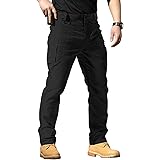
Activewear trousers are superior to traditional options. The speaker’s Old Navy polyester and spandex blend pants exemplify this. These materials offer exceptional breathability. They also provide crucial flexibility. Such fabric compositions facilitate unrestricted movement. This is particularly beneficial during varied urban activities. Zippered pockets are a non-negotiable feature. They ensure the security of valuables. This prevents loss during dynamic movements. Practicality and security are paramount in urban environments.
Layering Strategies for Upper Body Comfort
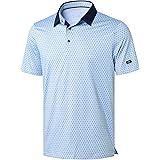
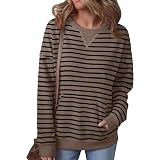
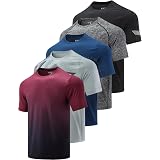
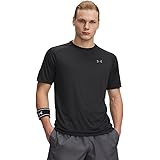
Cotton shirts are unsuitable for active pursuits. They absorb sweat but dry slowly. This leads to a chilling effect. Polyester shirts, such as the Texfit DripDry Hydro Performance, are preferred. Their moisture-wicking properties keep the body dry. This maintains thermal regulation. Layering is a fundamental principle for urban hiking. A polyester base layer is followed by a mid-layer. A zippered hoodie provides adaptable warmth. Finally, a windbreaker offers protection against elements. The Mountain Warehouse windbreaker, featuring strategic vents, is effective. These vents enhance airflow. They prevent overheating during warmer summer days. This adaptability is key for unpredictable urban weather.
Protective Headwear for Sun Exposure
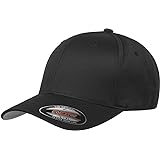
A baseball cap is an indispensable item. It offers crucial sun protection for the face and scalp. Caps with velcro adjustments provide a secure fit. This ensures stability during movement. Sun exposure can be significant, even in urban settings. A cap significantly reduces UV radiation impact.
Strategic Backpack Organization for Urban Adventures
An efficient backpack system is essential. It must balance capacity with ergonomic design.
Optimizing Your Urban Hiking Pack
A compact backpack, around 15 liters, is often ideal. The Mountain Warehouse model demonstrates sufficient capacity. A slim profile prevents snagging in crowded areas. This type of backpack accommodates essentials without excessive bulk. A packing cube is a highly recommended organizational tool. It compartmentalizes contents. This prevents items from shifting. It also simplifies access to gear. Efficient organization reduces time spent searching for items. This enhances the overall hiking experience.
Core Safety and Comfort Items
A well-stocked kit ensures preparedness for unexpected events.
- First Aid Kit: The Adventure Medical Kits Day Tripper Lite is an excellent choice. It contains basic wound care supplies. These include bandages, antiseptic wipes, and pain relievers. This kit should also house personal medications. Its compact design is suitable for day trips.
- Rain Gear: A lightweight poncho is a simple solution. While a windbreaker offers some resistance, a poncho provides full coverage. It ensures protection during sudden downpours.
- Personal Hygiene: A small towel is versatile. It is useful for drying hands or wiping sweat. Insect repellent is crucial in green spaces. Eye drops alleviate irritation from dust or allergens. A travel-sized deodorant maintains freshness.
- Navigation and Sustenance: A pen is useful for notes or emergencies. A protein bar provides vital energy. A basic compass assists with orientation. Even in cities, a compass aids in general direction sense. A multi-tool, resembling a Swiss Army knife, offers diverse utilities. It can address minor repairs or unexpected needs.
Integrating Wearable Technology for Performance Tracking
Modern technology enhances the urban hiking experience. It provides valuable performance data.
Fitness Tracking with Wearable Devices
A fitness tracker, such as the Fitbit Inspire 2, monitors activity levels. It accurately records steps taken and distance covered. This data provides motivational feedback. It also assists in tracking fitness goals. Integration of such devices enhances understanding of physical exertion during **urban hiking gear** excursions.
Your Urban Hiking Arsenal: Summertime Gear Q&A
What is urban hiking?
Urban hiking involves exploring cities and metropolitan areas on foot. It offers a unique way to experience cityscapes.
What type of shoes are best for urban hiking?
Road running shoes are generally preferred for urban hiking because their cushioning is designed to absorb impact effectively on hard surfaces like concrete and asphalt, reducing stress on your feet and joints.
Why are specialized socks important for urban hiking?
Specialized hiking socks, made from synthetic blends or merino wool, are important because they wick moisture away from your skin. This keeps your feet dry and helps prevent blisters, unlike cotton socks that retain sweat.
What kind of clothes should I wear for urban hiking in summer?
For summer urban hiking, wear breathable activewear like polyester or spandex trousers and moisture-wicking polyester shirts to stay dry and comfortable. Layering with a light jacket or windbreaker is also recommended for adaptable warmth, and a baseball cap provides sun protection.