Navigating the urban landscape on foot offers a unique blend of exploration and exercise, but it also presents its own set of challenges. Just as you wouldn’t hit a mountain trail without the right equipment, preparing for an extensive city walk or urban hike requires thoughtful gear choices. If you’ve been finding your regular street shoes uncomfortable on long stretches of pavement or struggling with sweat in the summer heat, you’re not alone. The good news is, with a few strategic adjustments to your urban hiking gear, you can transform your city strolls into enjoyable, comfortable, and even more rewarding adventures.
The video above provides a fantastic personal rundown of essential urban hiking gear for day walks during summertime, detailing practical items from shoes to essential backpack contents. This article will expand on those insights, offering a deeper dive into why certain gear makes a difference and how to select the best items for your specific urban excursions, ensuring you’re well-equipped for comfort and efficiency on your next city exploration.
Optimizing Your Footwear for Urban Adventures
The foundation of any comfortable urban hike begins with your feet. Unlike traditional hiking that often involves dirt trails and varied terrain, urban walking predominantly takes place on hard surfaces like concrete, asphalt, and paved pathways. This difference is crucial when selecting footwear, as inappropriate shoes can quickly lead to discomfort, fatigue, and even injury.
Choosing the Right Shoes for Concrete
Many individuals, when first starting out, might reach for trail shoes, expecting the ruggedness to translate well to city environments. As highlighted in the video with the Mountain Warehouse Shadow Softshell trail shoes, while their waterproof features might seem appealing, their design often prioritizes grip and ankle support for uneven terrain. On flat, hard surfaces, these can feel clunky and lack the necessary cushioning.
The speaker’s transition to the ASICS Excite 8 AWL running shoes is a perfect example of adapting to urban realities. These shoes, featuring “Amplifoam” cushioning, offer a significantly softer landing with each step, absorbing the impact of concrete. The “AWL” in their name, meaning “All Winter Long,” also hints at some level of weather resistance, though the speaker notes personal experience with minor leaks in puddles. This distinction between “waterproof” and “water-resistant” is important: waterproof materials completely block water, while water-resistant materials repel it to a certain degree but can be overwhelmed. For urban hiking, comfort and cushioning often outweigh full waterproofing, especially if you’re not expecting heavy downpours.
When selecting your urban hiking footwear, prioritize:
- Cushioning: Look for running shoes or walking shoes specifically designed with ample midsole cushioning (e.g., EVA foam, proprietary technologies like Amplifoam).
- Flexibility: Shoes that allow your foot to move naturally are essential for long walks.
- Breathability: Especially for summertime, mesh uppers can help keep your feet cool and reduce sweat.
- Fit: Ensure there’s enough room in the toe box to prevent rubbing and allow for natural foot splay.
The Foundation: Socks for Urban Hiking Comfort
Once you’ve chosen the perfect shoes, the next critical component for foot comfort is your socks. The speaker’s journey from basic 12-pack cotton socks to hiking-specific pairs underscores a common learning curve. Cotton, while comfortable for casual wear, traps moisture and can lead to blisters, especially on longer walks.
Specialized hiking socks, like the Columbia 4-pack or the YUEDGE socks mentioned, are typically made from materials like wool (merino wool is excellent), synthetic blends (polyester, nylon), or a combination. These materials offer several benefits:
- Moisture-wicking: They pull sweat away from your skin, keeping your feet drier.
- Padding: Strategic cushioning in areas like the heel and ball of the foot reduces impact and friction.
- Durability: Designed to withstand more wear and tear, reducing the likelihood of holes over time.
The speaker’s experience with the YUEDGE socks, noting their thicker material and excellent fit within shoes, highlights another important factor: sock thickness can influence shoe fit and overall comfort. Some hikers also employ a “two-sock” system—a thin liner sock underneath a thicker outer sock—to further minimize friction and prevent blisters. Experiment with different materials and thicknesses to find what works best for your feet and specific urban hiking shoes.
Strategic Apparel for Summertime Urban Hikes
Summertime urban hikes demand clothing that can manage heat, sweat, and unpredictable weather. Layering and material choices become paramount for staying comfortable throughout your journey.
Breathable Bottoms: Pants for City Exploration
For pants, the video points to polyester and spandex blends, specifically from Old Navy. These synthetic materials are excellent choices for activewear due to their inherent properties:
- Breathability: They allow air to circulate, helping to dissipate heat.
- Moisture-wicking: Similar to socks, they draw sweat away from your skin, keeping you dry.
- Flexibility: Spandex provides stretch, offering unrestricted movement for long strides and varying terrain like stairs or inclines.
- Quick-drying: If you encounter unexpected rain or get sweaty, these materials dry much faster than cotton.
Additionally, the importance of zippered pockets cannot be overstated. Keeping essential items like your phone, wallet, or keys secure prevents loss and allows you to walk hands-free with peace of mind. Look for at least one secure zippered pocket on your shorts or pants.
The Power of Layers: Shirts, Hoodies, and Windbreakers
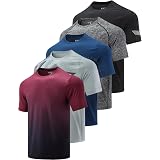
Upper body attire for urban hiking should also prioritize moisture management and adaptability. The speaker’s progression from basic cotton to polyester shirts is a classic example of optimizing for activity. Cotton absorbs sweat and stays wet, leading to chafing and a clammy feeling. Polyester shirts, like the Texfit DripDry Hydro Performance model from Amazon, are designed to wick moisture away, keeping your core dry and comfortable.
Layering is key for adapting to changing conditions:
- Base Layer (Polyester Shirt): This is your primary moisture-wicking layer, essential for warmer days and active walks.
- Mid-Layer (Zipper Hoodie): For cooler mornings or evenings, a lightweight zipper hoodie provides warmth. The zipper allows for quick ventilation adjustments.
- Outer Layer (Windbreaker): The Mountain Warehouse windbreaker, with its strategic back vents, is ideal for protecting against wind and light rain without causing overheating. The vents are a thoughtful design feature, preventing the “boil in the bag” effect common with non-ventilated outerwear.
A baseball cap, such as the Velcro-backed variety mentioned, is a simple yet effective accessory for sun protection, shielding your face from UV rays and reducing glare, which is particularly useful when walking through open, sunny urban areas.
Carrying Your Essentials: Backpacks and Organization
A well-chosen backpack and effective organization are vital for carrying your urban hiking essentials without feeling burdened.
Selecting the Right Urban Hiking Backpack
The 15-liter Mountain Warehouse backpack mentioned in the video strikes a good balance for day walks. For urban environments, a slim profile is often preferred to avoid bumping into people in crowded areas or catching on obstacles. Key features to look for in an urban hiking backpack include:
- Capacity: 10-20 liters is generally sufficient for day walks, holding water, snacks, extra layers, and personal items.
- Comfort: Padded shoulder straps and a breathable back panel are important for prolonged wear.
- Pockets: External mesh pockets for water bottles and easily accessible zippered pockets for quick-grab items are convenient.
- Durability: Robust materials that can withstand daily use and potential scrapes against urban surfaces.
Staying Organized with Packing Cubes
One of the most valuable tips from the video is the use of a packing cube for internal organization. Instead of having items “swoosh around inside,” a packing cube keeps everything neatly contained and easily accessible. This simple addition transforms a basic backpack into an organized system, making it quick to find your first aid kit, poncho, or snacks without rummaging.
Beyond the Basics: Essential Safety & Comfort Items
Once your primary gear is sorted, consider these additional items for enhanced safety, comfort, and preparedness on your urban hikes.
Personal Protection and Comfort
- First Aid Kit: The Adventure Medical Kits Day Tripper Lite is a compact solution designed for day trips. Even in a city, minor scrapes, blisters, or headaches can occur far from a pharmacy. Ensure yours includes band-aids, antiseptic wipes, pain relievers, and any personal medications.
- Poncho: While a windbreaker offers some rain protection, a lightweight poncho provides full body coverage in unexpected downpours. It’s a small item that can make a big difference in comfort.
- Towel: A small, quick-drying towel (microfiber is ideal) can be used for wiping sweat, cleaning up spills, or even as an impromptu seat on a wet bench.
- Insect Repellent: Even in urban parks, mosquitoes and other insects can be a nuisance, especially near water bodies or in shaded areas.
- Eye Drops: For allergy sufferers or those prone to dry eyes, especially on windy or dusty days in the city.
- Deodorant: A travel-sized stick is a simple addition for maintaining freshness throughout your walk.
Navigation, Energy, and Utility
- Pen: Always handy for jotting down notes, making a list, or filling out forms.
- Protein Bar: Provides a quick energy boost if you find yourself feeling hungry or low on energy between meals. Consider options high in protein and healthy fats for sustained energy.
- Compass (and Map/Phone GPS): While a city often has clear signage, a basic compass can be a useful backup for orientation, especially if you’re exploring less familiar districts. Always combine this with a charged phone with GPS and an offline map, as well as a physical map for redundancy.
- Multi-tool/Pocket Knife: A compact tool with multiple functions (knife, bottle opener, screwdriver) can be surprisingly useful for minor adjustments or unexpected needs.
- Fitness Tracker (Fitbit Inspire 2): For those who like to monitor their activity, a fitness tracker is excellent for tracking steps, distance, and calories burned, providing valuable insights into your urban explorations.
By thoughtfully assembling your urban hiking gear, from the ground up, you set yourself up for comfortable, safe, and enjoyable day walks through the city. Each item serves a purpose, contributing to an overall experience that lets you focus on the journey and discoveries, rather than discomfort or unpreparedness. Remember, the best urban hiking gear is the gear that works best for you and your specific adventures.
Your Urban Hiking Essentials: Q&A
What is urban hiking?
Urban hiking is exploring a city on foot for exercise and discovery. It requires specific gear to stay comfortable on hard city surfaces, unlike traditional trail hiking.
What kind of shoes are best for walking on city streets?
For urban hiking, choose running or walking shoes with ample cushioning to absorb the impact of hard surfaces like concrete. Look for good flexibility and breathable materials to keep your feet comfortable.
Why should I wear special socks for urban hiking instead of regular cotton ones?
Specialized hiking socks are recommended because they wick moisture away from your skin to prevent blisters and often provide extra padding. Cotton socks tend to trap sweat, which can lead to discomfort.
What type of clothing is recommended for urban hiking in the summer?
For summer urban hikes, wear breathable and moisture-wicking clothes made from synthetic materials like polyester or spandex. These materials help keep you cool and dry by drawing sweat away from your body.
Do I need a special backpack for urban hiking?
Yes, a compact backpack (around 10-20 liters) is useful for carrying essentials like water, snacks, and extra layers. Look for one with comfortable shoulder straps and convenient pockets.