Ensuring a meticulously packed bag is paramount for any successful outdoor adventure, especially when embarking on demanding backpacking trips. As demonstrated in the accompanying video, even individuals with hundreds of nights spent under the stars can overlook critical items. Lessons are often learned through firsthand experience, underscoring the importance of a comprehensive checklist for every single trip. Forgetting key pieces of camping gear can transform an enjoyable wilderness experience into a test of resilience, highlighting why certain backpacking essentials should never be left behind.
A well-prepared backpacker is often considered a happy backpacker. The difference between a comfortable night’s rest and a shiver-inducing ordeal can hinge on a single item. Similarly, having adequate water or the right protection against the elements profoundly impacts both safety and morale. This article will delve deeper into four specific backpacking essentials that are frequently forgotten but are, in fact, crucial for a smooth and enjoyable journey.
The Critical Comfort of Sleeping Pads
A good night’s sleep is undeniably vital for sustained energy and enjoyment on any multi-day trek. As recalled in the video, the absence of a sleeping pad can lead to significant discomfort, especially on cold nights. A sleeping pad is not merely for cushioning; its primary function involves insulation from the cold ground. The ground acts as a massive heat sink, drawing warmth away from the body surprisingly quickly, even on relatively mild evenings.
Various types of sleeping pads are available, each offering distinct advantages. Closed-cell foam pads are known for their durability and reliability, as they cannot be punctured and require no inflation. Inflatable pads, conversely, provide superior comfort and often pack down to a smaller size. Self-inflating pads offer a balance between the two, providing a degree of insulation and cushioning with minimal effort. When selecting a pad, the R-value, which measures its thermal resistance, should be carefully considered. A higher R-value indicates better insulation, which is especially important for colder conditions or when ground temperatures are expected to drop significantly. Investing in a high-quality sleeping pad is a direct investment in your comfort and recovery on the trail.
Master Your Hydration Strategy with Sufficient Water Carrying Capacity
Hydration is a non-negotiable aspect of outdoor survival and performance, particularly during strenuous backpacking trips. The video highlighted a challenging situation in Lava Beds where a 30-mile stretch between water sources nearly led to a serious problem. Such scenarios emphasize the critical need for adequate water carrying capacity. Underestimating water needs is a common mistake, which can result in dehydration, fatigue, and even heatstroke in warmer climates.
Planning for water sources involves more than simply packing a few bottles. A robust hydration strategy considers several factors: the length of the trek, expected temperatures, exertion levels, and the reliability of known water sources. It is often recommended to carry at least two liters of water for every two hours of hiking in moderate conditions, with significantly more required in hot or arid environments. Beyond the standard water bottles or hydration reservoirs, collapsible water containers, such as bladders or soft bottles, can dramatically increase carrying capacity without adding substantial weight or bulk when empty. Furthermore, a reliable water filter or purification tablets are considered essential for treating natural water sources, ensuring safety and minimizing the need to carry all water from the outset. Strategic planning and sufficient carrying options prevent reliance on suboptimal solutions, like filling a cookpot with soda, as was mentioned in the video.
The Indispensable Role of Rain Gear
Weather in the backcountry is notoriously unpredictable, and neglecting proper rain gear can quickly turn an adventure into an ordeal. The video recounts a situation on the Pacific Crest Trail (PCT) where two weeks of continuous rain in Washington followed a long dry spell, making the absence of rain pants particularly regrettable. Many hikers, especially after extended periods of good weather, might be tempted to shed what seems like unnecessary weight.
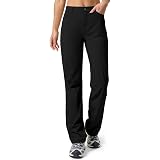
However, quality rain gear is considered an indispensable part of any camping gear list. Rain pants, specifically, are often overlooked in favor of a rain jacket. Yet, protecting the lower body from saturation is crucial for maintaining core body temperature and preventing chafing. Modern rain pants are designed to be lightweight, breathable, and packable, offering full protection without hindering movement. They are generally constructed from waterproof and breathable fabrics, allowing perspiration to escape while preventing rain from entering. Layering strategies suggest that having both a rain jacket and rain pants provides comprehensive protection, ensuring that hikers can remain dry and comfortable even during prolonged downpours. The ability to stay dry contributes significantly to morale and reduces the risk of hypothermia, which is a serious concern in wet and cold conditions.
Protecting Your Feet with Gaiters
While often small and easily forgotten, gaiters play a surprisingly significant role in maintaining foot comfort and preventing trail nuisances. As described in the video, these fabric covers protect the ankles and the tops of shoes, effectively keeping out dirt, small rocks, sand, and even moisture. The inconvenience of frequently stopping to empty shoes of debris not only wastes time but also causes disruption and can lead to blisters or discomfort.
Gaiters are typically secured around the lower leg and over the boot, forming a protective barrier. They come in various lengths: low-cut gaiters are suitable for trail running or hiking on well-maintained paths, while mid-calf or full-length gaiters offer more comprehensive protection against brush, snow, and deeper debris, as might be encountered on more rugged backpacking trips. Beyond simply keeping out physical contaminants, gaiters can also offer protection against ticks, burrs, and light splashes from puddles. Their lightweight and compact design means they add minimal bulk to a pack, making their omission easily justifiable in the moment, but deeply regretted once on the trail. The small effort of remembering them pays dividends in terms of uninterrupted hiking and overall foot health, which is critical for long-distance treks.
Beyond the Big Four: Your Backpacking & Camping Q&A
Why is it important to pack carefully for outdoor trips?
A meticulously packed bag is crucial for any outdoor adventure because forgetting essential items can turn an enjoyable experience into a challenging one.
What is the main purpose of a sleeping pad when camping?
A sleeping pad’s primary function is to insulate your body from the cold ground, which helps you stay warm and get a comfortable night’s sleep.
How much water should I plan to carry for a hike?
A good rule of thumb is to carry at least two liters of water for every two hours of hiking in moderate conditions, increasing this amount in hot or dry areas.
Why are rain pants important, even if I have a rain jacket?
Rain pants are vital because they protect your lower body from getting wet, helping you stay warm, prevent chafing, and maintain comfort in unpredictable weather.
What are gaiters and why should I use them when hiking?
Gaiters are fabric covers worn over your ankles and shoes that keep out dirt, rocks, sand, and moisture, preventing discomfort and making your hike more enjoyable.